Canada’s Fighter Jet Future Ignites Strategic Debates
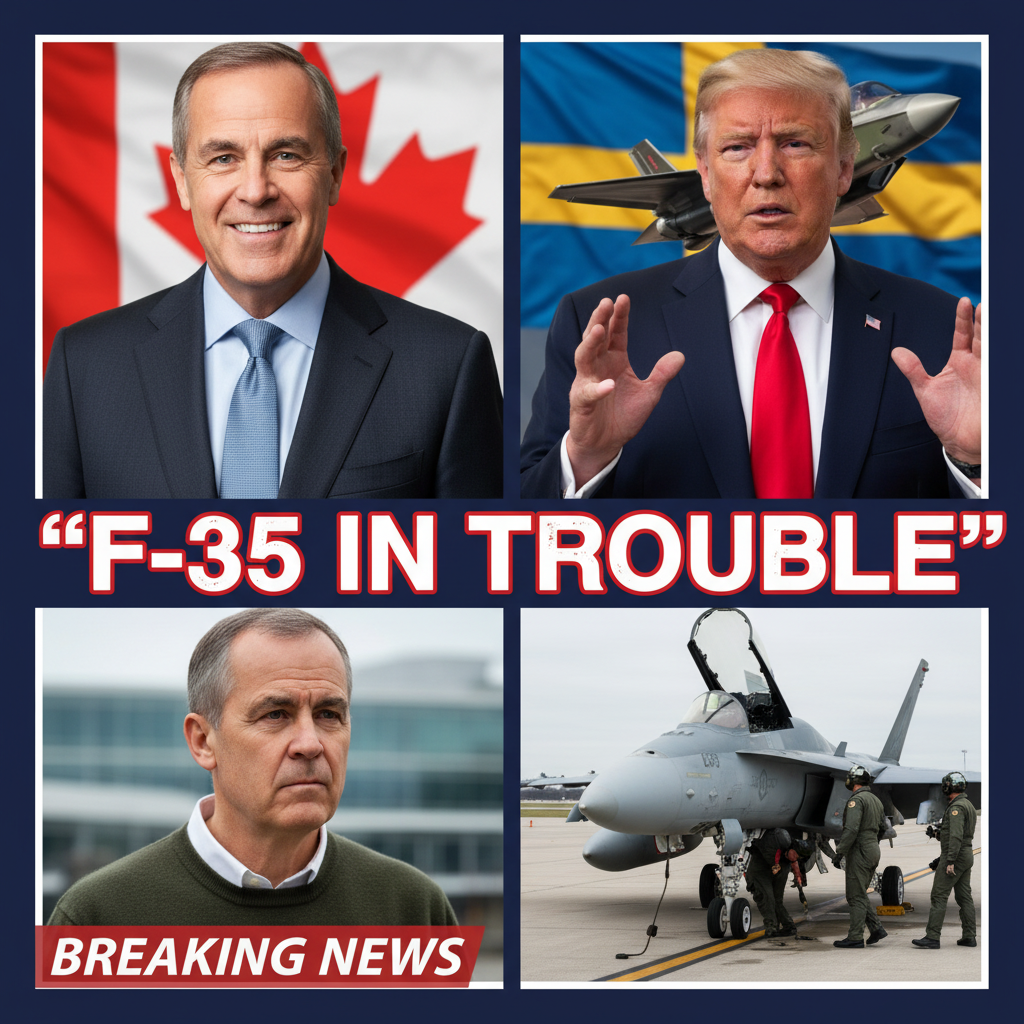
A recent development concerning Canada’s long-running fighter jet replacement program is drawing significant attention, sparking a renewed national debate. While the nation committed to acquiring 88 F-35 Lightning II fighter jets, discussions surrounding Sweden’s Saab Gripen fighter have re-emerged, prompting questions about Canada’s future air defense strategy and its delicate balance between alliance commitments and national independence.
The Core of the Fighter Jet Program
For decades, Canada’s airspace has been protected by its aging fleet of CF-18 Hornet aircraft. As these platforms near the end of their operational life, the Royal Canadian Air Force embarked on a modernization program. In 2022, Ottawa announced plans for its largest investment in the Air Force in over 30 years: a $19 billion CAD deal for 88 F-35 Lightning II jets from the United States. This acquisition aimed to reinforce Canada’s role in continental defense through NORAD and ensure interoperability with NATO allies.
F-35 vs. Gripen: A Closer Look
The F-35 is widely recognized for its advanced stealth capabilities, designed for complex, high-intensity combat scenarios and network-centric warfare. However, its sophisticated systems demand intricate maintenance and specialized support infrastructure, leading to substantial operating costs. Analysts frequently cite figures exceeding $35,000 per flight hour, depending on the mission and maintenance requirements.
Conversely, the Saab Gripen E, a multirole fighter developed by Sweden, is often highlighted as a more cost-efficient alternative. Proponents emphasize its design for simpler logistics, reduced operating expenses, and high availability rates. Some defense reports indicate the Gripen can achieve mission readiness levels between 80% and 90%, requiring smaller maintenance teams and quicker turnaround times between sorties. These characteristics appeal to nations with extensive territories and dispersed operational bases.
Arctic Challenges and Operational Needs
Canada’s unique geography, encompassing one of the world’s largest airspaces and a vast Arctic region with extreme temperatures, significantly influences this debate. As climate change opens new shipping routes and intensifies geopolitical interest in the north, Canada faces mounting pressure to maintain continuous air patrol capabilities across remote areas. Aircraft capable of operating from short, unimproved, or remote runways with minimal infrastructure are highly valued for Arctic missions. The Gripen, originally designed with dispersed operations in mind, reflects Sweden’s Cold War strategy of utilizing highways and temporary bases, making it a compelling option for such environments.
Technological Sovereignty and Industrial Benefits
Another layer to the discussion is technological sovereignty. Programs like the F-35 involve highly integrated multinational supply chains, where software systems, upgrades, and weapons integration are centrally managed. While this ensures compatibility among allied air forces, some analysts suggest that alternative aircraft programs might offer countries greater direct control over fleet modifications and upgrades. Industrial partnerships also factor into the conversation; past proposals from Saab included extensive technology transfer and local production opportunities within Canada, potentially fostering thousands of skilled aerospace jobs and expanding domestic manufacturing capabilities.
Echoes of the Avro Arrow
Discussions about Canada’s fighter jet future often evoke memories of the Avro Arrow, a groundbreaking Canadian interceptor project canceled in 1959. This decision resulted in significant job losses and remains a contentious topic, often viewed as a turning point in Canada’s aviation industry. Commentators sometimes frame modern procurement debates through this historical lens, questioning whether Canada should primarily purchase foreign systems or pursue greater involvement in aerospace development.
Alliance Commitments vs. National Independence
Ultimately, Canada’s fighter jet decision navigates a critical junction of strategic priorities. On one hand, maintaining deep integration with American defense systems ensures seamless cooperation through NORAD and NATO, pillars of Canadian security. On the other, some policymakers and analysts continue to explore whether diversifying defense partnerships could offer additional flexibility and industrial advantages. While Canada remains committed to the F-35 program with initial deliveries anticipated soon, the broader discussion over sovereignty, technology control, and defense partnerships persists. This reflects the complex choices countries face when balancing national independence with alliance commitments, ultimately defining their role in an evolving global security landscape.