Courtroom Falls Silent as Judge Reviews Evidence in Trump Classified Documents Case
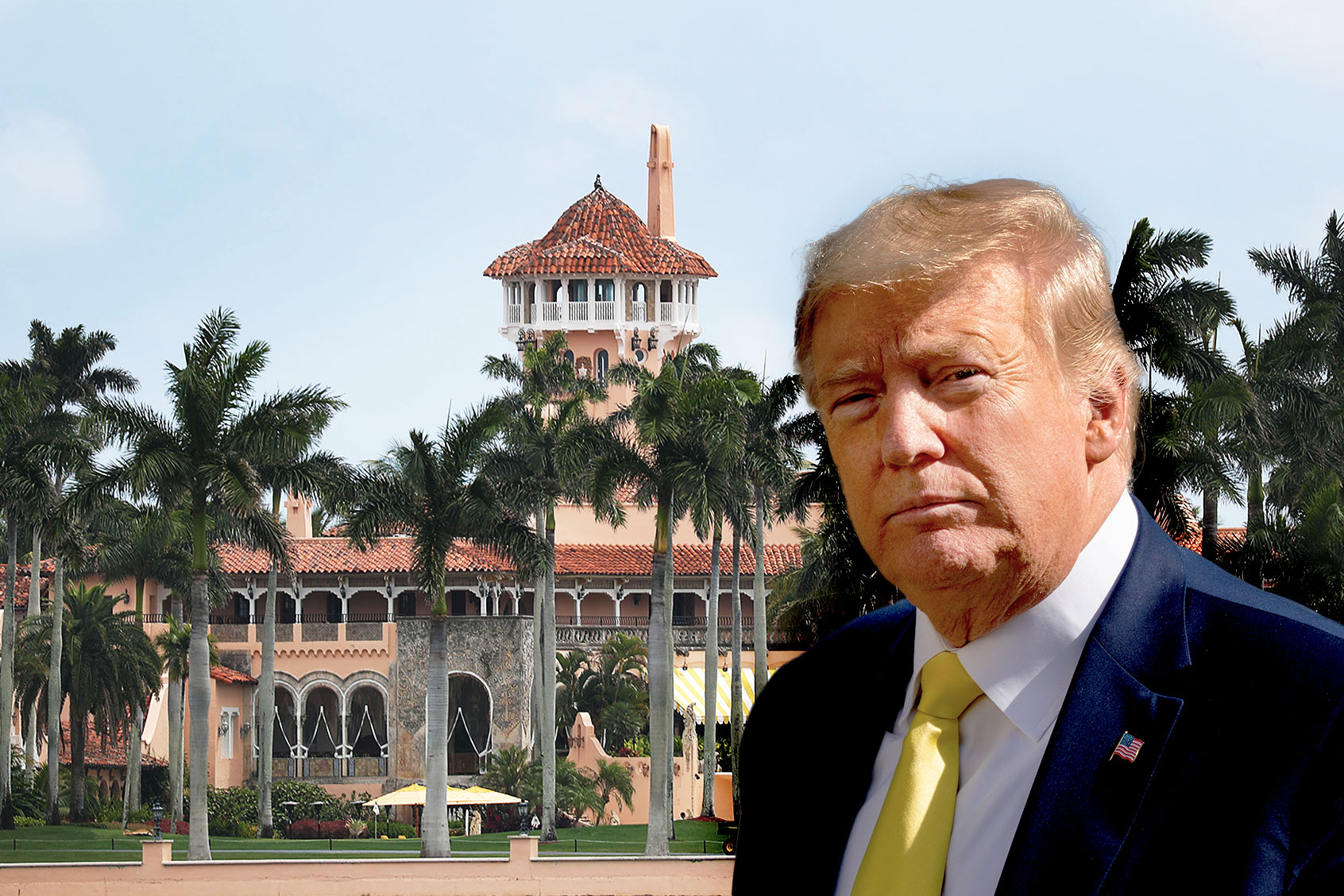
A recent court session related to the classified documents investigation involving former U.S. President Donald Trump has drawn widespread attention after prosecutors presented key evidence connected to the case. The proceedings are part of a broader legal dispute concerning documents discovered at Trump’s Florida residence, Mar-a-Lago, after he left office.
According to court filings, Trump has pleaded not guilty to a series of charges related to the handling and retention of government records. The case is considered one of the most closely watched legal matters involving a former American president.
Charges Related to Classified Documents
Prosecutors have brought multiple felony charges in connection with the investigation. These charges reportedly include allegations tied to obstruction of justice and the improper handling of sensitive government documents.
Federal investigators began examining the issue after officials sought the return of classified materials that were believed to remain outside government custody. Authorities argue that certain documents should have been transferred to the National Archives and Records Administration following the end of Trump’s presidency.
According to prosecutors, efforts to retrieve the materials led to subpoenas and requests for cooperation from individuals connected to the property.
Evidence Presented in Court
During one of the court hearings, prosecutors reportedly referenced surveillance footage and additional evidence connected to the investigation. According to legal filings, the footage was obtained from security systems installed at Mar-a-Lago and may show activity related to the handling of documents stored at the property.
Prosecutors claim that the evidence, combined with witness testimony, may help demonstrate how certain records were moved or managed after federal authorities requested their return.
Reports indicate that a judge reviewed portions of the evidence during court proceedings. Observers noted that the courtroom remained quiet as legal teams and the court examined the materials being discussed.
Role of Witness Testimony
One individual mentioned in the case is Walt Nauta, who previously worked as an aide to Trump. Prosecutors have suggested that testimony from witnesses, along with security footage and other documents, could help clarify events surrounding the storage and movement of records at Mar-a-Lago.
Defense attorneys, however, have challenged the interpretation of the evidence and argued that the actions described by prosecutors have been misunderstood or taken out of context.
Witness testimony often plays an important role in federal cases, especially when investigators seek to establish timelines and decision-making processes surrounding disputed events.
Trump’s Response to the Allegations
Trump has consistently denied wrongdoing and has stated that he cooperated with investigators. His legal team has also argued that the former president had authority regarding the documents in question and that the case is politically motivated.
Defense attorneys are expected to challenge both the legal basis of the charges and the interpretation of evidence presented by prosecutors. As the case continues, both sides will have opportunities to question witnesses, present expert analysis, and introduce additional documentation.
Broader Legal and Political Implications
The classified documents investigation has become one of several legal challenges involving Trump in recent years. Because he remains a major political figure in the United States, developments in the case have attracted significant media attention and public discussion.
Legal analysts say the proceedings may shape broader debates about presidential records, national security procedures, and the legal responsibilities of former government officials.
At the same time, experts emphasize that the judicial process requires careful review of evidence and adherence to due process. Court rulings will ultimately determine how the evidence is interpreted and whether the charges can be proven.
What Happens Next
The case is expected to continue moving through the federal court system as attorneys for both sides prepare arguments and review the evidence presented by prosecutors. Judges overseeing the proceedings will decide which materials can be admitted at trial and how the case will move forward.
For now, the courtroom developments highlight the complexity of a case that combines legal, political, and national security considerations. As hearings continue, the judicial process will determine the outcome based on the evidence and the law.