Political Dispute Emerges as Republican Governors Challenge Federal Executive Order
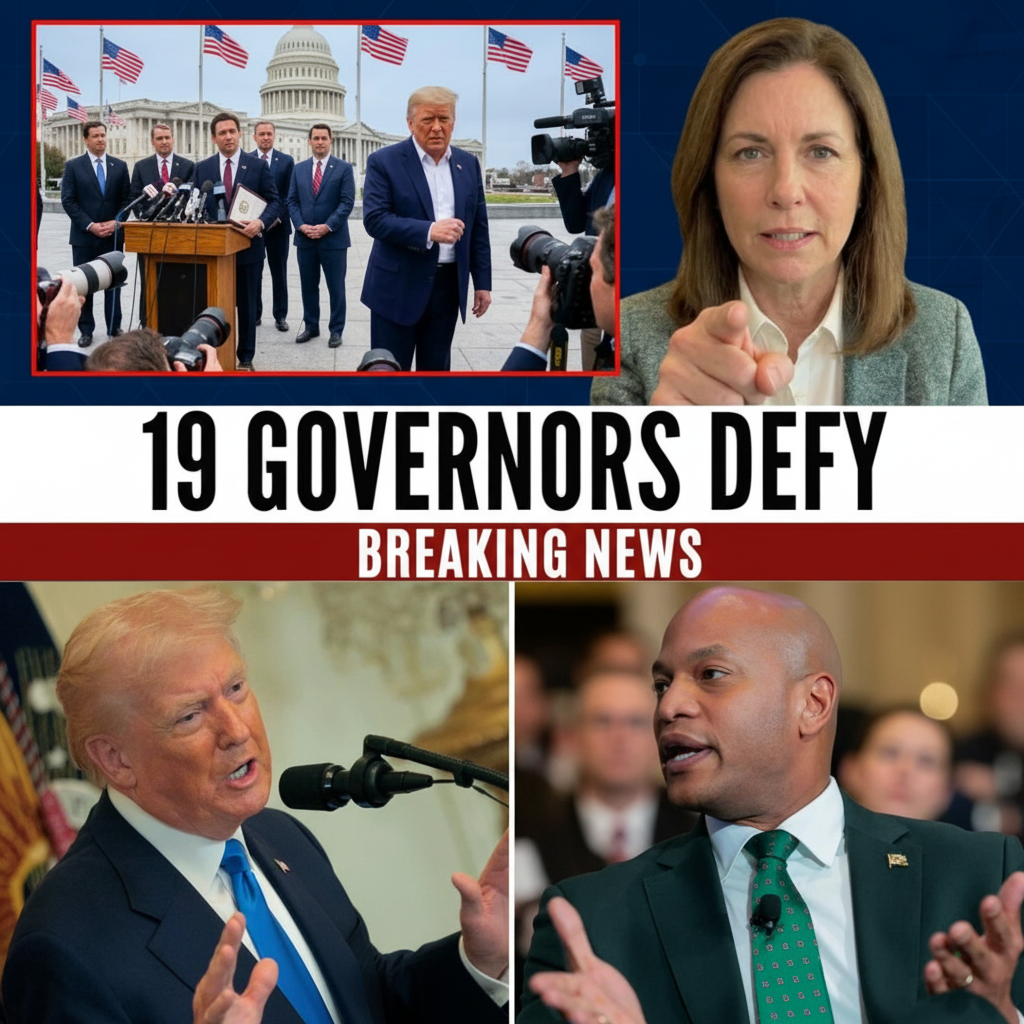
A significant legal and political dispute is unfolding in the United States after a group of Republican governors reportedly challenged a federal executive order issued by Donald Trump. The conflict centers on questions about federal authority, state sovereignty, and the balance of power defined by the U.S. Constitution.
According to reports from political analysts and legal commentators, a coalition of Republican state leaders has filed a lawsuit in federal court opposing a policy directive linked to Executive Order 14291. The governors argue that the order places substantial pressure on states by tying compliance with certain federal policies to the continuation of major federal funding programs.
Concerns Over Federal Funding Conditions
Federal funding plays a major role in state budgets across the United States. Programs supporting transportation infrastructure, healthcare systems, education initiatives, and disaster recovery often rely on financial support from the federal government. Because of this, any change in how those funds are distributed can have significant policy and economic implications.
In the lawsuit, the governors reportedly claim the executive order could allow federal officials to condition the delivery of funding on states adopting specific policy measures. According to their argument, such requirements could affect areas like highway funding, Medicaid support, and education programs.
State officials say this approach places states in a difficult position, where declining federal conditions might risk the loss of billions of dollars that support essential public services.
Constitutional Debate Over State Authority
At the center of the dispute is the interpretation of the Tenth Amendment to the United States Constitution. The amendment establishes that powers not delegated to the federal government are reserved for the states or the people.
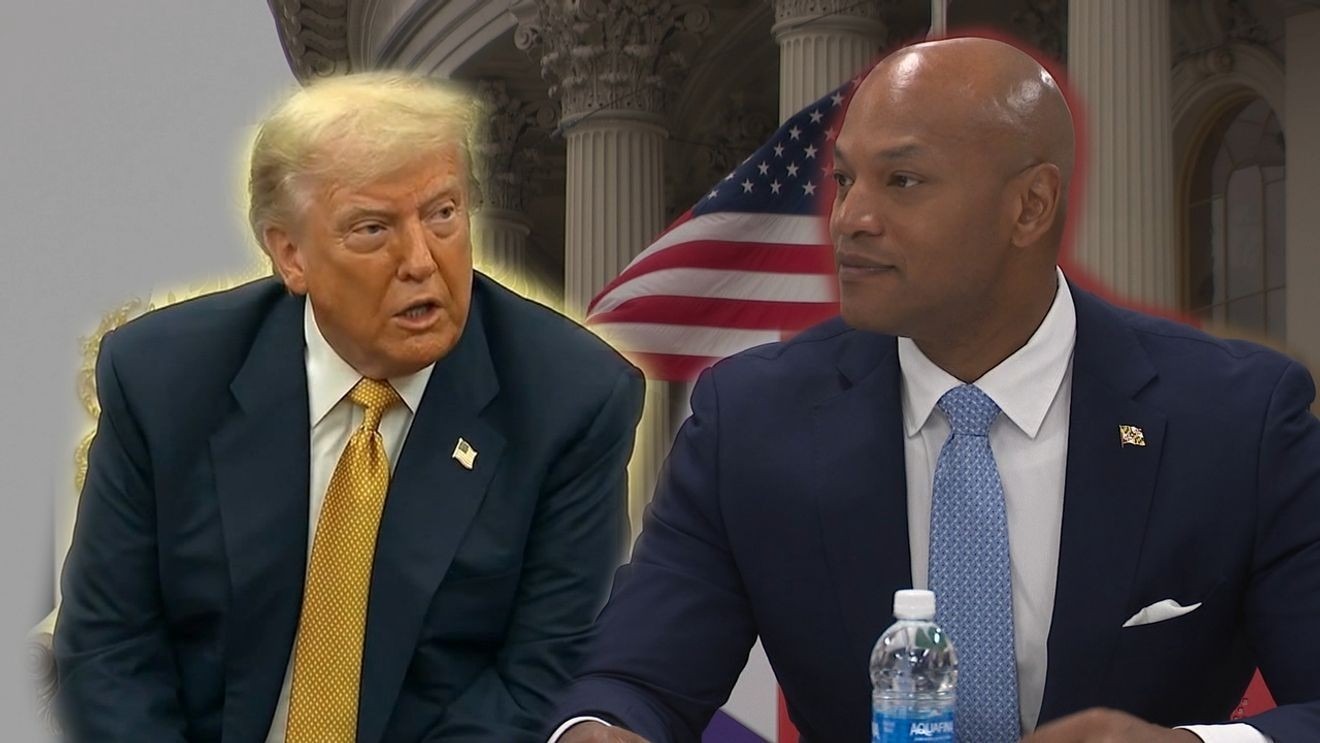
The governors involved in the lawsuit argue that the executive order places undue pressure on states to surrender authority in areas traditionally managed at the state level. They claim this type of federal leverage could undermine the constitutional principle of federalism.
Legal scholars often describe federalism as the system that divides power between the national government and individual states. Supporters say the structure ensures balance and protects regional decision-making.
Potential Legal Path Through the Courts
Because the dispute involves constitutional interpretation, legal experts believe the case could move through multiple levels of the federal court system. If lower courts issue conflicting rulings, the case could eventually reach the Supreme Court of the United States.
Constitutional challenges involving federal funding conditions have appeared in past legal disputes. Courts typically examine whether the federal government is offering funding with reasonable policy conditions or whether it is effectively forcing states to adopt policies against their will.
The outcome of this case could clarify how far federal administrations can go when linking funding to policy compliance.
Economic Implications for States
Beyond the legal debate, economists and policy analysts say the conflict could carry financial consequences if federal funding programs are affected. Many state budgets rely on a combination of local taxes, state revenue, and federal contributions.
Federal funding helps support hospitals, transportation projects, disaster recovery programs, and school systems. If legal disputes delay or disrupt funding, state governments could face difficult financial decisions about maintaining public services.
Some analysts also point to the broader municipal bond market, which is closely tied to state and local government financing. Because investors rely on stable government revenue streams, any uncertainty around federal funding could attract attention from financial markets.
Political Dynamics Within the Republican Party
The dispute has also drawn attention because it reportedly involves members of the same political party as the president issuing the executive order. Political analysts note that disagreements between federal leadership and state officials occasionally occur even within the same party, especially when questions of state authority arise.
Such disagreements highlight the complexity of governing within the American federal system, where state leaders often prioritize local economic and policy interests.
A Broader Debate About Federal Power
While the lawsuit will ultimately be resolved through the courts, the issue reflects a larger national debate about how power should be shared between federal and state governments.
Questions surrounding federal funding conditions, executive authority, and constitutional interpretation have long shaped American political discourse. As this case progresses through the legal system, it could become another defining example of how those debates continue to evolve.
For now, the situation remains an active legal dispute, and its final outcome will depend on the decisions made by federal courts reviewing the constitutional claims.