Carney Calls Trump’s Bluff: How a Single Revelation Reshaped the North American Power Dynamic
OTTAWA — In a stunning turn of events that has sent shockwaves through the international community, former Bank of England and Bank of Canada Governor Mark Carney has publicly exposed what officials are calling a “strategic bluff” by former President Donald Trump, fundamentally altering the balance of credibility in U.S.-Canada relations. The revelation, which surfaced during a high-stakes economic forum in Toronto, has left Washington scrambling and has ignited a fierce debate over the future of North American diplomacy.
The drama unfolded late Thursday during a live panel discussion on continental trade relations. Carney, who has long been a prominent voice in global finance, was pressed on the nature of recent undisclosed tensions between Ottawa and Washington. In a moment of apparent candor, he detailed a previously unknown back-channel confrontation where, according to him, the Trump administration threatened to unilaterally dismantle key provisions of the USMCA trade agreement unless Canada conceded to severe economic restrictions.
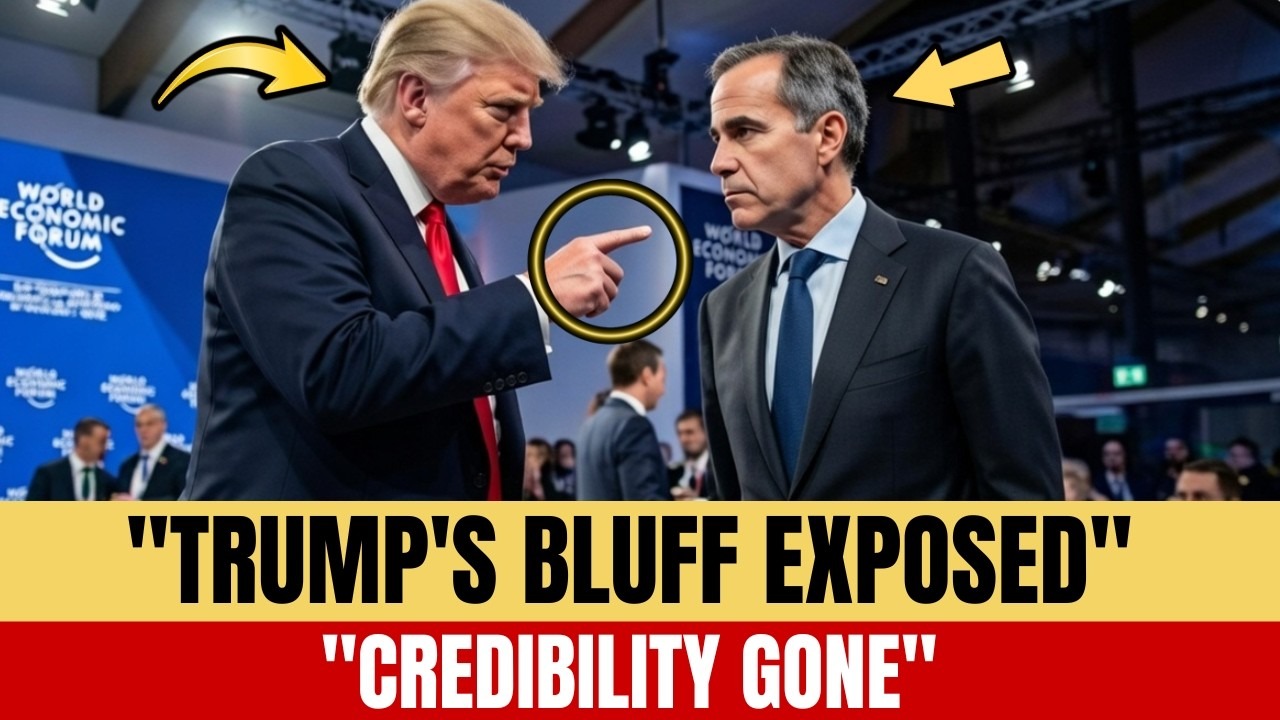
“There was an assumption that by projecting overwhelming force—by threatening the very foundation of our economic stability—they could force a quick capitulation,” Carney stated, his voice calm but firm. “But the assumptions were built on a faulty foundation. When you look at the actual data, the supply chains, and the mutual dependencies, the threat wasn’t a weapon; it was a warning shot across their own bow. We called that bluff, and the structure they built to intimidate us collapsed under the weight of its own logic.”
While Carney stopped short of revealing specific classified documents, his detailed account of the internal U.S. strategy painted a picture of a high-pressure campaign designed to project unwavering American strength. According to sources close to the former governor, Carney’s team presented an economic counter-analysis that proved the threatened U.S. actions would have caused immediate and catastrophic damage to key Republican-held states, crippling auto manufacturing in Michigan and agriculture in the Midwest.
The impact was immediate. Political analysts describe the moment as a “credibility collapse” for the tough-on-trade stance that has defined a significant wing of American politics.
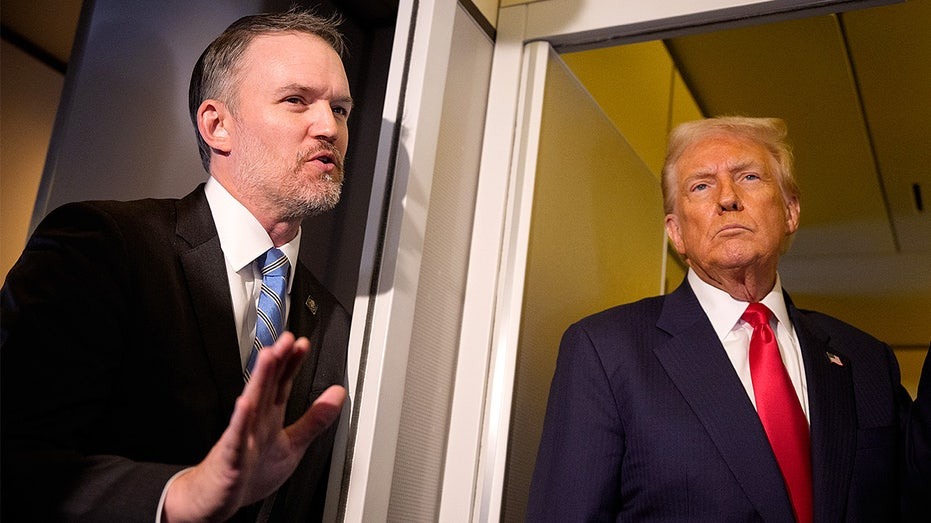
“This is a monumental shift in the psychology of the relationship,” said Dr. Evelyn Hart, a professor of political science at the University of Toronto and an expert in U.S.-Canada relations. “For years, the narrative has often been about Canada reacting to American pressure. Carney’s revelation inverts that. It demonstrates that the emperor had no clothes. The threat was a bluff, and once it was exposed as such, the entire U.S. position lost its coercive power. Their credibility as an infallible economic heavyweight has taken a serious hit.”
In Washington, the response has been chaotic. Official channels have offered only terse “no comments,” while former Trump administration officials have taken to conservative media to deny the account, labeling Carney’s statements as “revisionist history” and an attempt to interfere in U.S. domestic politics. However, the denials have done little to quell the storm. Key Republican senators up for re-election in industrial states are now facing uncomfortable questions about what their party’s trade strategy would have meant for their constituents.
Diplomatic backchannels are said to be burning up. Career diplomats in both countries are reportedly alarmed that such sensitive strategic posturing has become a matter of public debate. The revelation threatens to poison the well for future negotiations, as trust—the essential currency of diplomacy—has been shattered. If U.S. threats can no longer be taken at face value, every future trade talk, every security agreement, and every joint climate initiative will be viewed through a new lens of skepticism.
“This is what a power realignment looks like in real-time,” commented a senior European diplomat based in North America, speaking on condition of anonymity. “The United States has always wielded ‘soft power’—the idea that its word was its bond. When you expose a major strategic bluff, you don’t just lose that battle; you devalue your currency for all future transactions. Canada has just shown the world that the giant is not as mighty as it pretends to be.”
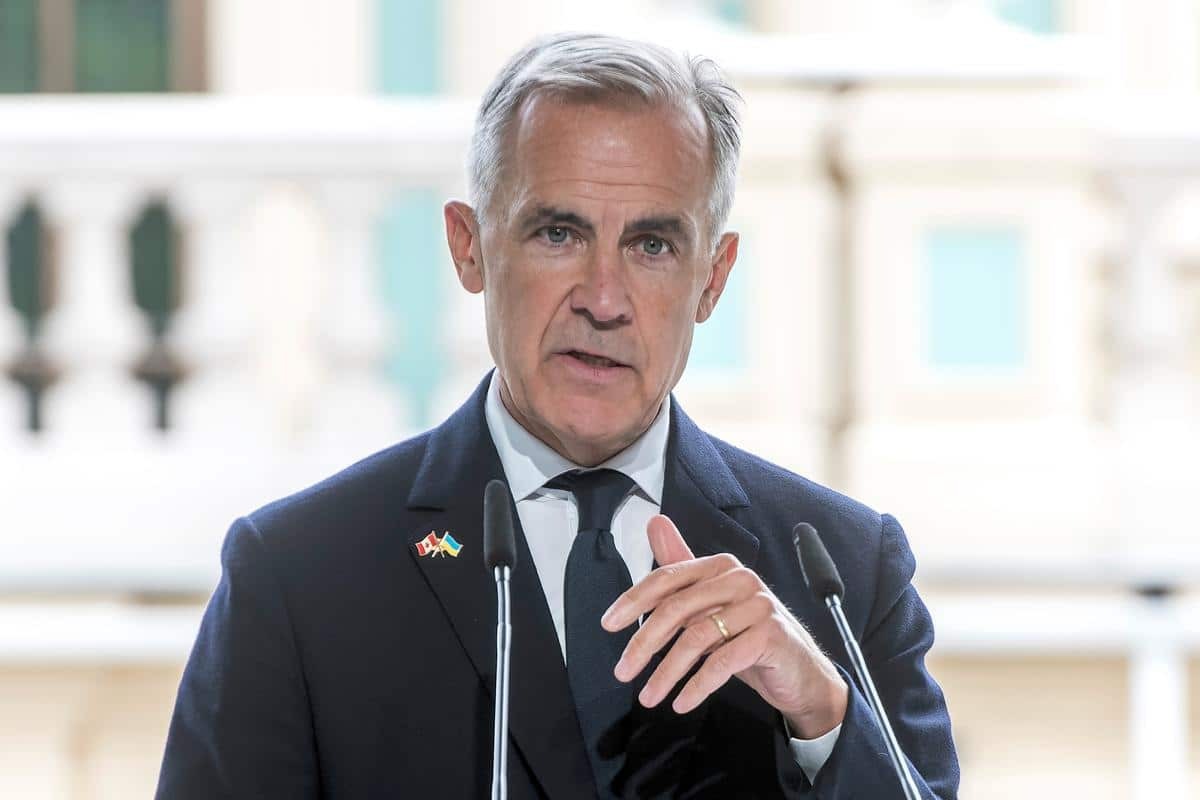
For Canada, the moment is being hailed as a coming-of-age story on the global stage. Prime Minister Justin Trudeau, while avoiding direct comment on Carney’s specific remarks, praised the country’s resilience. “Canada will always stand up for its national interest, for its workers, and for its sovereignty with facts, with strength, and with integrity,” Trudeau told reporters.
As the dust settles, one thing is clear: the old rules of engagement have been rewritten. Mark Carney’s exposure of the alleged bluff has not only dismantled a specific U.S. strategy but has also empowered Canada and other allies to question the credibility of American tough policy. The era of taking U.S. economic might at face value may very well have ended in a Toronto conference hall, leaving both nations to navigate a newly uncertain and volatile diplomatic landscape.