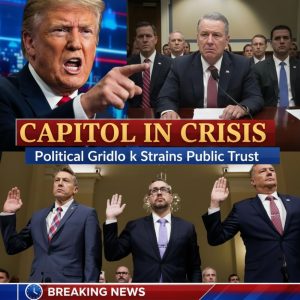
A seismic shift in the North American alliance is underway as Canada delivers a forceful, multi-pronged rejection of the unilateralist doctrine underpinning former President Donald Trump’s new national security strategy. The strategy, which openly demands allies fall in line and discourages independent partnerships, has been met not with acquiescence but with a defiant Canadian assertion of sovereignty and strategic independence.
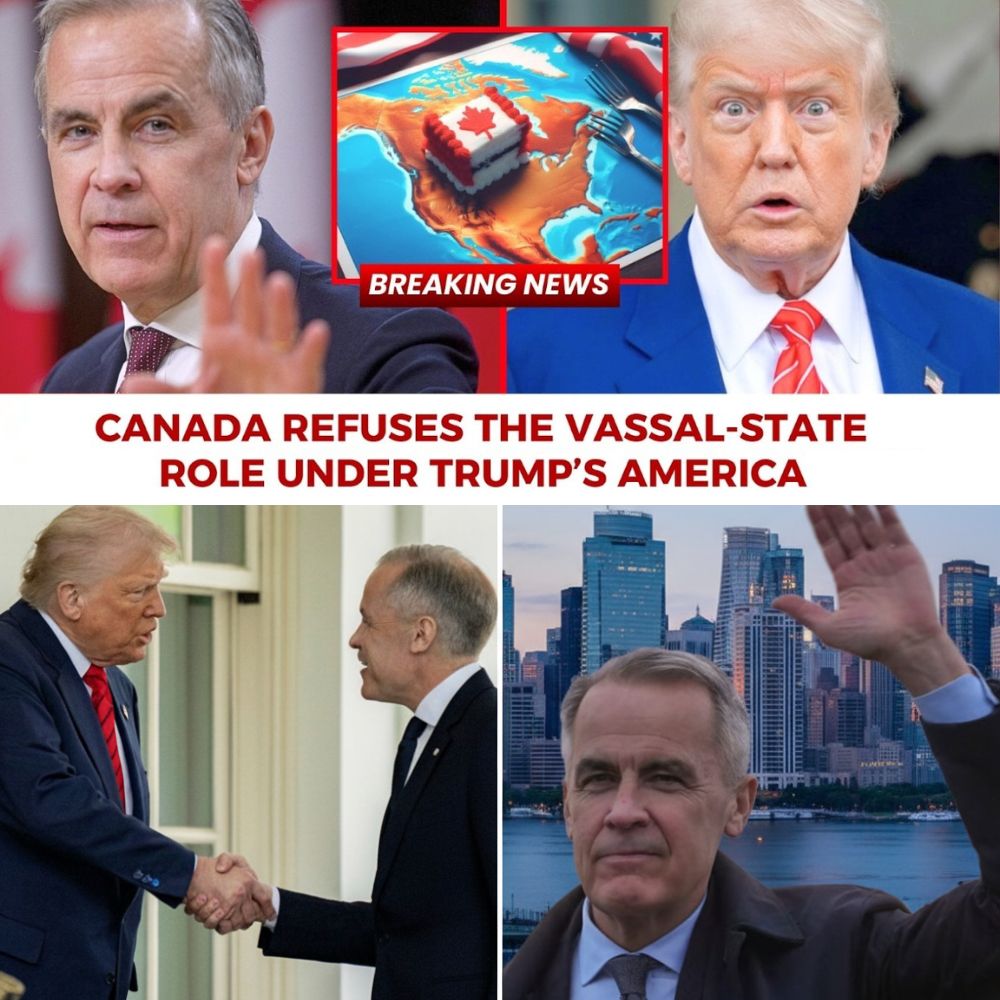
The political shockwave began with a stark warning from Bob Rae, Canada’s former ambassador to the United Nations. He described Trump’s “America First” security blueprint as “very problematic,” marking a decisive break from generations of U.S. leadership built on shared security and collective responsibility. “This isn’t the language of partnership. It’s the language of hierarchy,” Rae stated, framing the document as a confirmation of aggressive U.S. posturing Canada has faced since early 2025.
Prime Minister Mark Carney’s government is responding with actions, not just words, signaling Canada will not accept a “vassal state” role. In a move that rewrites decades of energy policy, Ottawa is finalizing a historic bargain with Alberta to advance a pipeline to the Pacific coast. The deal hinges on granting exemptions to the federal tanker ban, a policy once considered untouchable, to unlock direct Canadian oil exports to Asia.
This potential pipeline is a geopolitical game-changer. For the first time in modern history, Canada would have a direct export corridor to Asian markets, breaking the near-total reliance on the United States that has granted Washington immense leverage. It represents a direct counter to Trump’s use of tariffs and political pressure, proving Canada can and will develop alternatives to U.S.-centric supply chains.
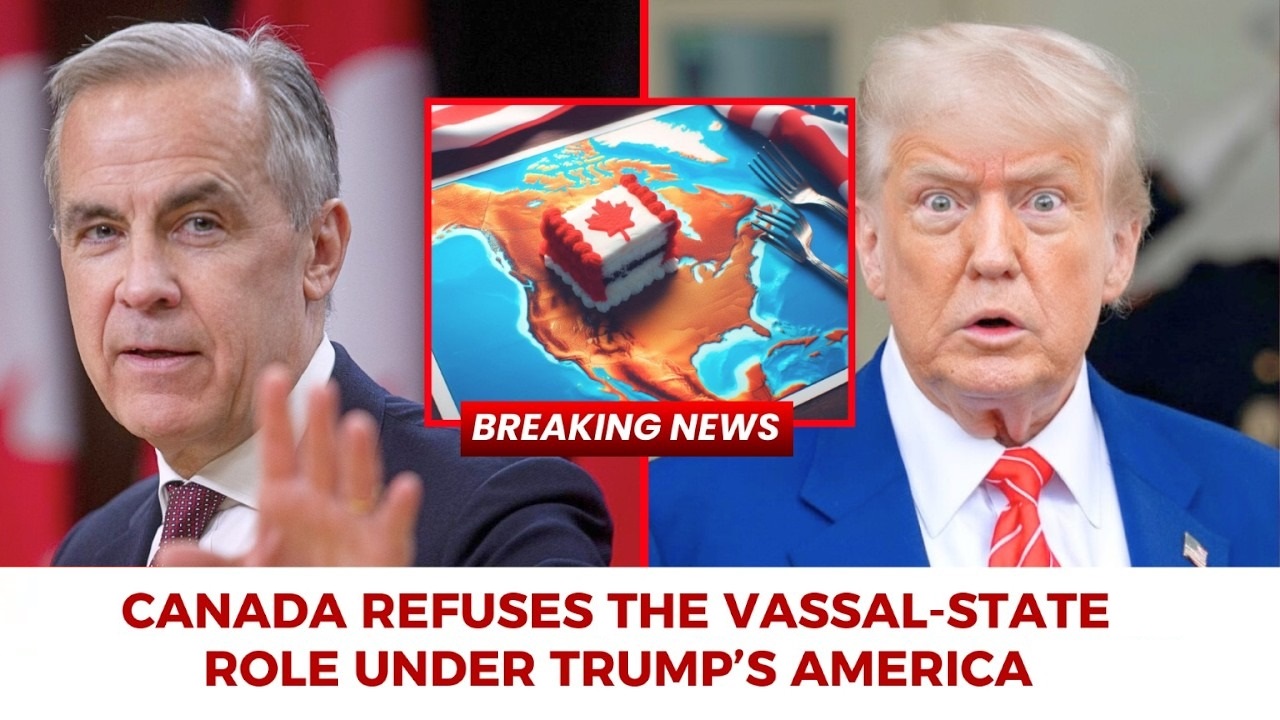
Concurrently, the Carney government has unleashed an unprecedented trillion-dollar national investment strategy via Budget 2025, explicitly framed as reclaiming control from U.S. protectionism. “We choose Canada,” Carney declared, announcing a plan to offset an estimated $50 billion in economic damage from U.S. tariffs with a generational rebuild of infrastructure, housing, and low-carbon manufacturing.
The budget is a structural declaration of economic sovereignty. Instead of retaliating tit-for-tat, Canada is using American pressure as a catalyst to supercharge domestic investment and reduce vulnerability. The strategy aims to reshape Canada’s industrial base from the ground up, making the nation more self-sufficient and globally competitive irrespective of Washington’s actions.
On the trade front, Industry Minister Melanie Jolly has adopted a posture of calm defiance following tense Washington talks. With comprehensive sectoral deals elusive, Jolly’s focus has pivoted to a robust domestic industrial strategy centered on protection, production, and prosperity. The government is leveraging defense spending, critical minerals development, and strategic public procurement to anchor jobs and build resilient, homegrown supply chains.
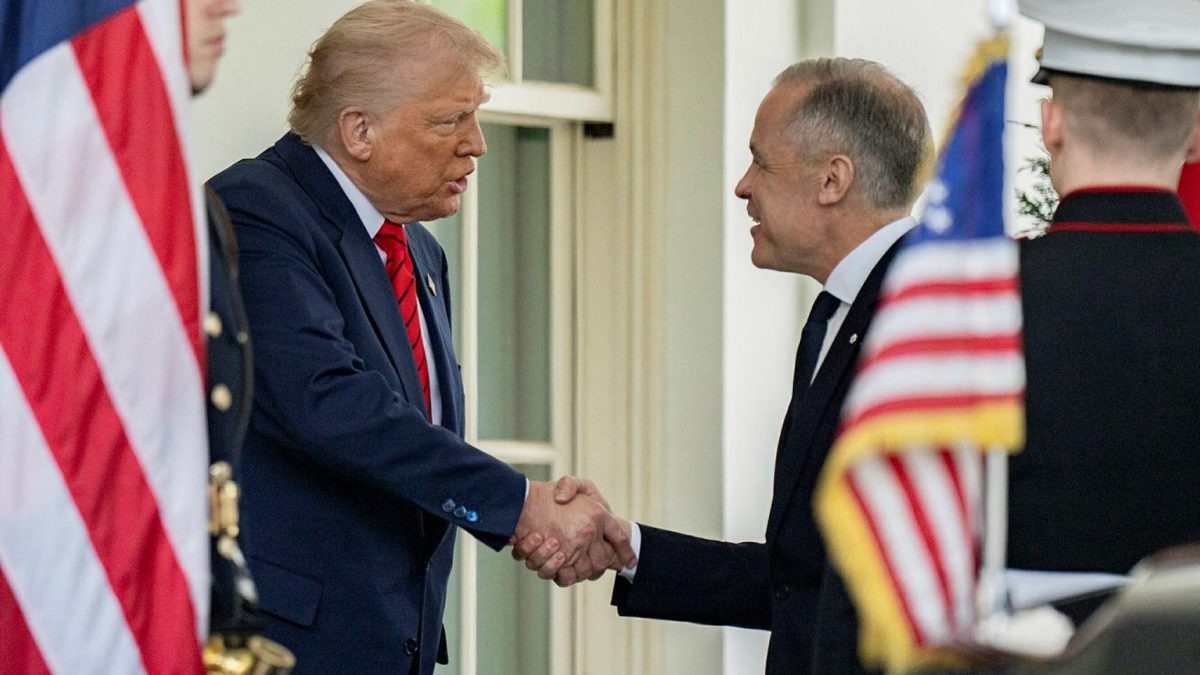
The Canadian recalibration extends to defense and diplomacy. As Trump’s strategy discourages collaboration with other partners, Canada is actively deepening ties in Europe and the Indo-Pacific, exploring next-generation fighter and submarine options beyond the U.S. market. This diversification is framed not as disloyalty, but as a practical necessity for a sovereign nation in an unpredictable world.
The combined effect of these policies is a fundamental reordering of the bilateral relationship. Where Trump’s doctrine expects obedience, Canada is demonstrating empowered independence. Where it seeks to centralize American power, Canada is deliberately broadening its alliances. The result is a stark paradox: Washington’s attempt to assert dominance is accelerating its closest ally’s strategic decoupling.
Bob Rae’s assessment underscores the new reality. “Canada has never been and will never be a vassal state,” he asserted, noting the country’s strength as a clean energy powerhouse, critical minerals supplier, and rising force in digital governance. The message to Washington is unambiguous: Canada will defend its sovereign right to choose its partners based on its own national interests.
As 2025 draws to a close, the story is no longer about reactive diplomacy to U.S. whims. It is about a confident Canada methodically constructing a more independent economic and strategic future. The long-term cost to the United States of alienating a trusted partner is now being calculated in real-time, as Canada proves that true partnership cannot be commanded—it must be earned.