In an extraordinary development rarely seen in modern American politics, several senior military leaders who once served under former president Donald Trump have publicly voiced deep concerns about his conduct, warning that his actions and rhetoric could pose risks to the constitutional system they spent their careers defending.
Among the most striking comments came from retired General Mark Milley, who served as Chairman of the Joint Chiefs of Staff during the final years of the Trump administration. Milley reportedly described Trump in stark terms, calling him “fascist to the core” and warning that he could be “the most dangerous person” to the country if given unchecked authority. Such language from a recently retired top military officer is extremely unusual and underscores the depth of concern among some members of the national security establishment.
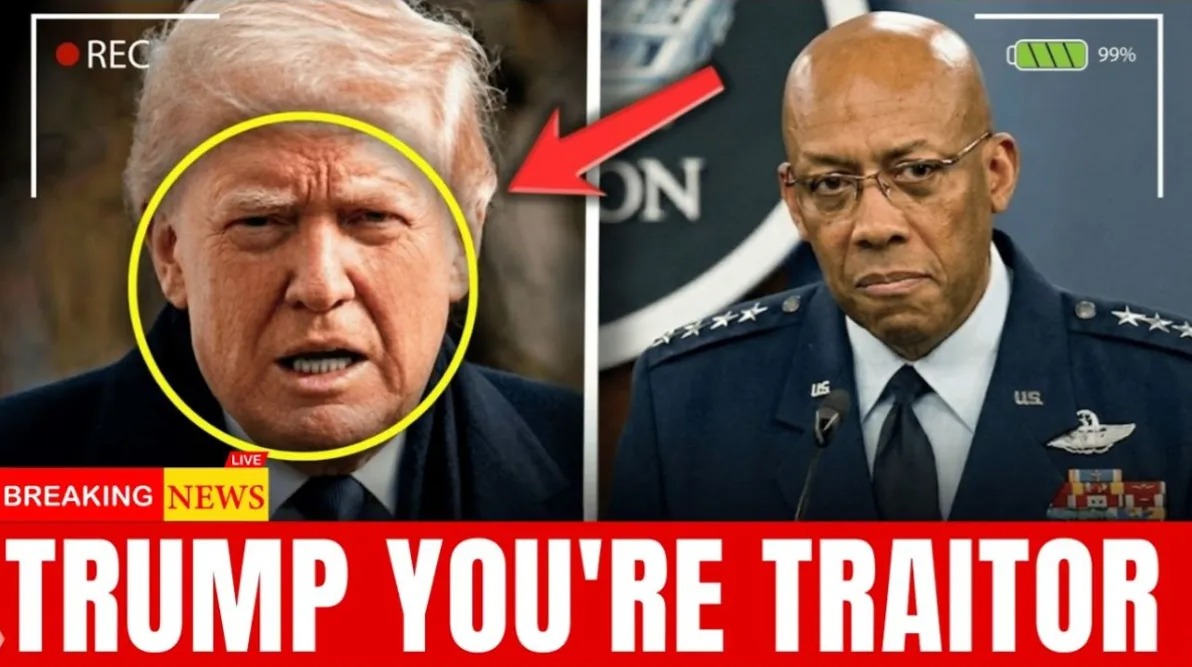
Milley’s remarks were not isolated. Former Secretary of Defense James Mattis, a retired Marine Corps general widely respected across political lines, previously criticized Trump’s leadership style and relationship with democratic institutions. Mattis publicly stated that Trump had made a “mockery of the Constitution,” expressing alarm over what he viewed as attempts to divide Americans and politicize the military. His comments, released after leaving office, marked one of the strongest rebukes ever delivered by a former defense secretary against a president he once served.
Another prominent figure who spoke out is John Kelly, a retired Marine general who served as Trump’s White House Chief of Staff. Kelly confirmed reports that Trump had referred to fallen American service members as “suckers” and “losers,” a claim that drew intense public debate when it first surfaced. According to Kelly, the remarks reflected a broader pattern of comments that he and other aides found troubling, particularly given the traditional reverence U.S. presidents show toward the military.
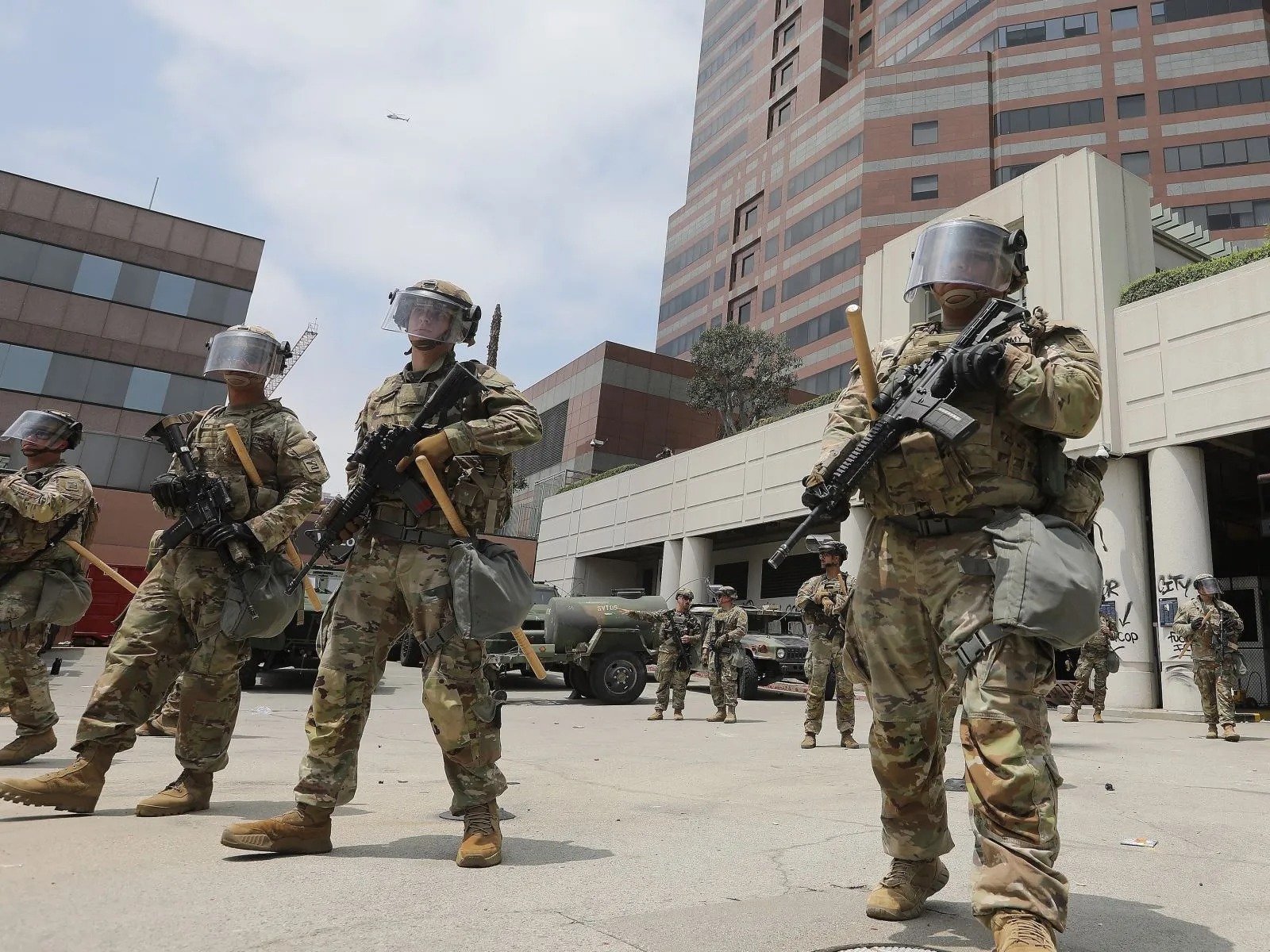
Kelly also described discussions within the administration in which Trump allegedly considered using military forces in response to domestic protests. For many current and former defense officials, the idea of deploying active-duty troops against American citizens raised serious constitutional and ethical concerns. Military leaders are trained to maintain strict separation between political power and armed force, operating under the principle that the military ultimately serves the Constitution rather than any individual leader.
What makes these warnings particularly notable is that the critics are not political rivals or partisan opponents. All three men served directly under Trump and were originally chosen by him for some of the most powerful positions in the U.S. national security structure. Their careers span decades of military service, and each took the same oath sworn by American service members: to support and defend the Constitution of the United States.
Historically, senior military leaders in the United States avoid publicly criticizing former commanders-in-chief, partly out of respect for civilian control of the military and partly to maintain the institution’s political neutrality. Breaking that tradition signals that, in the eyes of these figures, the stakes are unusually high.
Trump and his allies have strongly rejected the criticisms, arguing that former officials are misrepresenting private conversations or acting out of personal grievances. Supporters also point out that Trump frequently advocated for increased military spending during his presidency and often expressed admiration for rank-and-file service members.
Nevertheless, the fact that multiple high-ranking officials who served within his administration have spoken out continues to fuel an intense national debate about presidential power, the role of the military in American democracy, and the limits of executive authority.
As the political landscape in the United States grows increasingly polarized, the warnings from figures such as Milley, Mattis, and Kelly highlight a profound question that goes far beyond one individual: how to safeguard democratic institutions when those entrusted with power are accused by their own insiders of pushing the boundaries of constitutional norms. For many observers, that debate is no longer theoretical — it has become one of the defining political conversations of the era.