A new political controversy has emerged in Washington involving Pam Bondi, the current U.S. Attorney General, after allegations surfaced regarding the purchase of a luxury waterfront property in Naples, Florida. The issue has drawn attention from ethics watchdog groups, lawmakers, and media commentators, including discussions on programs hosted by Rachel Maddow.
The debate centers on whether financial transactions connected to the purchase could present a potential conflict of interest involving the United States Department of Justice (DOJ).
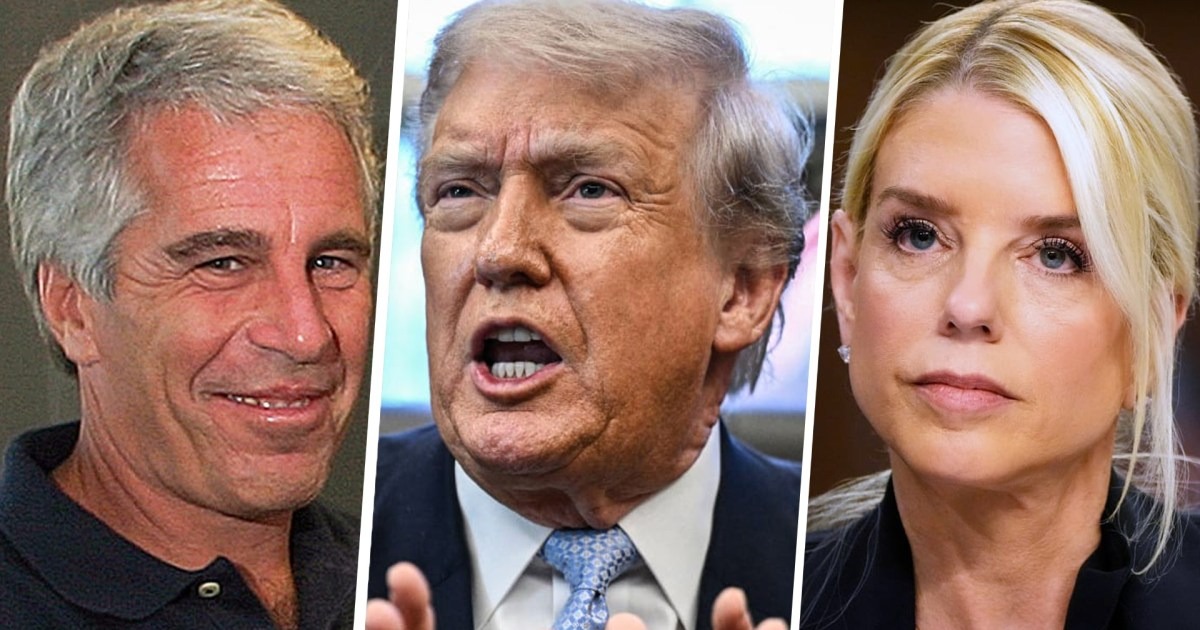
Ethics Complaint Filed by Watchdog Group
The controversy began after the watchdog organization Citizens for Responsibility and Ethics in Washington (CREW) filed a detailed 73-page complaint outlining concerns about financial transactions linked to the property purchase. According to the filing, approximately $4.2 million allegedly moved from a Cayman Islands subsidiary associated with the investment firm Crescent Meridian Partners to a Nevada-based limited liability company.
The complaint states that the Nevada LLC later provided funds used as a down payment for a waterfront mansion reportedly valued at about $127 million. Public property records indicate that the home is controlled through a trust connected to Bondi’s husband.
CREW’s filing argues that the financial timeline raises questions because Crescent Meridian Partners had reportedly been under investigation by the DOJ around the same period.
Property Purchase and Investigation Timeline
Records cited in the complaint indicate the mansion was purchased through corporate entities and trusts, a structure commonly used in high-value real estate transactions for privacy and asset management purposes. However, critics argue that the timing of the transactions deserves closer scrutiny.
According to the complaint, the DOJ investigation involving the firm connected to the Cayman subsidiary was paused shortly after the property purchase and later closed without charges. Critics say the sequence of events may raise questions about whether a conflict of interest could have occurred.
The filing also claims the property was purchased for approximately $38 million above its assessed value, though analysts note that assessed values and market prices can differ significantly in luxury real estate markets.
Response From Bondi and Supporters
Bondi has strongly denied any wrongdoing. In public statements, she described the allegations as politically motivated and argued that the property is legally owned by her husband through a trust structure.
Supporters also emphasize that the complaint does not present direct proof of corruption or illegal conduct. They argue that large property purchases involving complex corporate structures are not unusual among wealthy individuals and that financial transactions alone do not demonstrate improper influence.
From this perspective, supporters say the controversy reflects political tensions rather than verified misconduct.
Calls for Review and Oversight
Despite those defenses, the allegations have prompted additional scrutiny. The DOJ’s Inspector General has reportedly opened a preliminary review to determine whether the situation warrants further investigation.
Members of Congress from both parties have also signaled interest in holding oversight hearings to examine the financial trail described in the complaint. Congressional oversight processes often review potential ethics issues involving executive branch officials, particularly when government investigations and private financial interests intersect.
Legal analysts note that preliminary reviews do not necessarily imply wrongdoing but are often used to clarify facts and determine whether additional investigative steps are necessary.
Broader Political and Ethical Debate
The controversy highlights broader debates about transparency, ethics, and conflicts of interest within government institutions. Watchdog organizations argue that strong oversight is essential to maintain public trust, while critics of the complaint warn against drawing conclusions before investigations are completed.
As the Inspector General review and potential congressional hearings move forward, the situation is likely to remain a topic of national political discussion. Observers say the outcome may ultimately depend on whether investigators find concrete evidence linking the financial transactions to any official government decisions.
For now, the central question remains unresolved: whether the timeline represents coincidence within complex financial dealings — or a situation that warrants deeper scrutiny from ethics investigators.