Former President Donald Trump is reportedly facing escalating legal trouble after a federal judge reviewed surveillance footage that allegedly shows him instructing a staff member to destroy financial records. The documents were said to be subject to a court preservation order in connection with a massive $1.5 billion civil fraud judgment. If confirmed, the footage could significantly raise the legal stakes in an already high-profile case.
According to court findings described in recent reports, the judge characterized the alleged conduct as deliberate destruction of evidence, commonly referred to in legal terms as “spoliation.” In civil litigation, parties are required to preserve relevant documents once they are aware of pending legal action. Violating such an order can result in severe penalties, including financial sanctions, adverse inferences at trial, and in extreme cases, referral for criminal contempt proceedings.
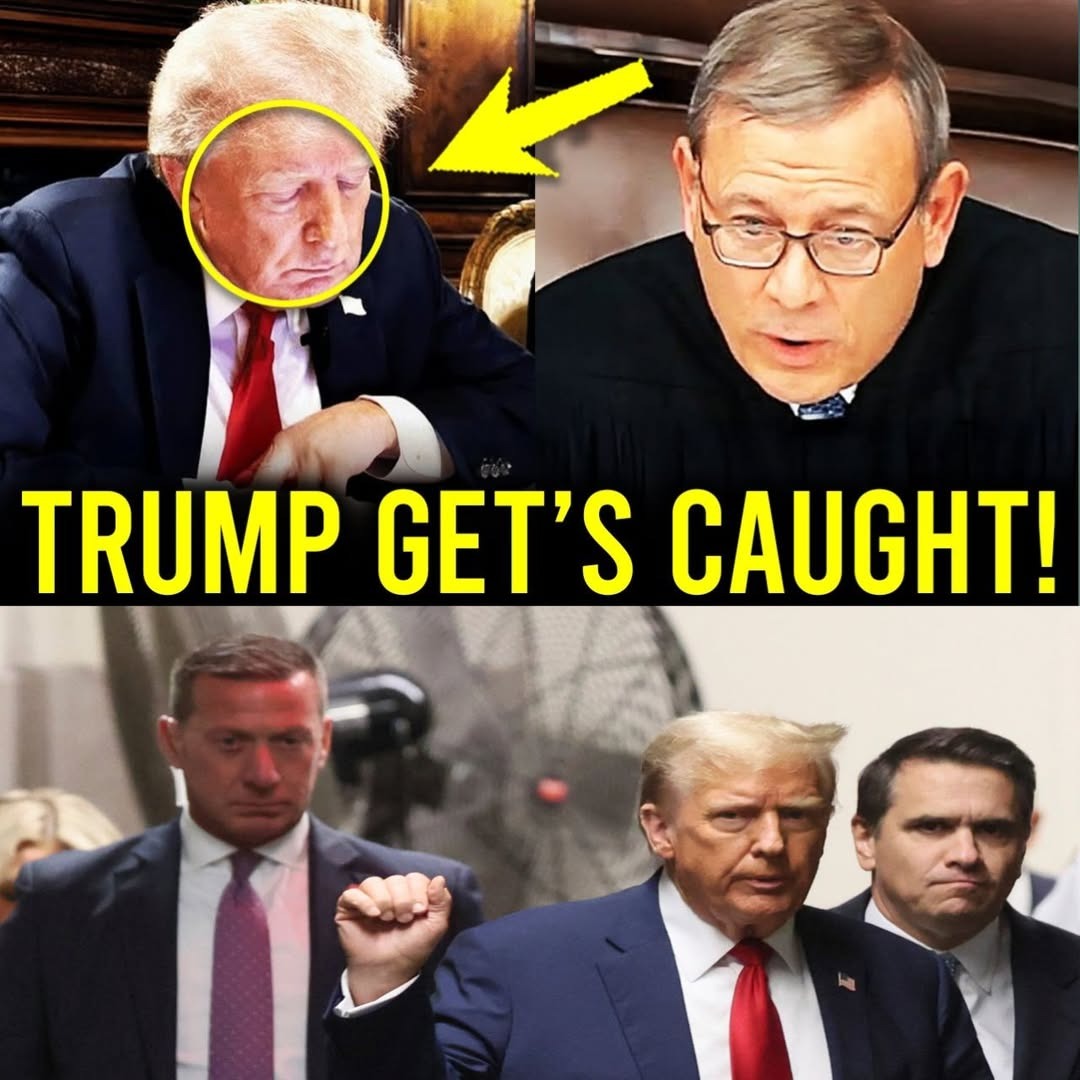
The situation appears to have intensified after a former staff member reportedly testified under immunity. The witness allegedly stated that Trump directly ordered both physical files and digital records to be destroyed despite knowing they were protected by a court directive. Legal analysts note that testimony combined with potential video evidence could make the case especially challenging to dispute, as visual documentation often carries substantial weight in court.
In response to the alleged noncompliance, the court has reportedly imposed escalating daily fines that could reach as high as $500,000 per day until full compliance is achieved. Such financial penalties are typically designed to compel adherence to judicial orders rather than to punish past conduct. However, if the court determines that the destruction was intentional and obstructive, the matter could move beyond civil sanctions.
Legal experts suggest that the case may now involve possible criminal contempt proceedings. Criminal contempt differs from civil contempt in that it seeks to punish actions that defy or undermine the authority of the court. In serious instances, penalties can include substantial fines and even jail time. Additionally, some analysts have raised the possibility of obstruction of justice charges, which would significantly increase Trump’s legal exposure.
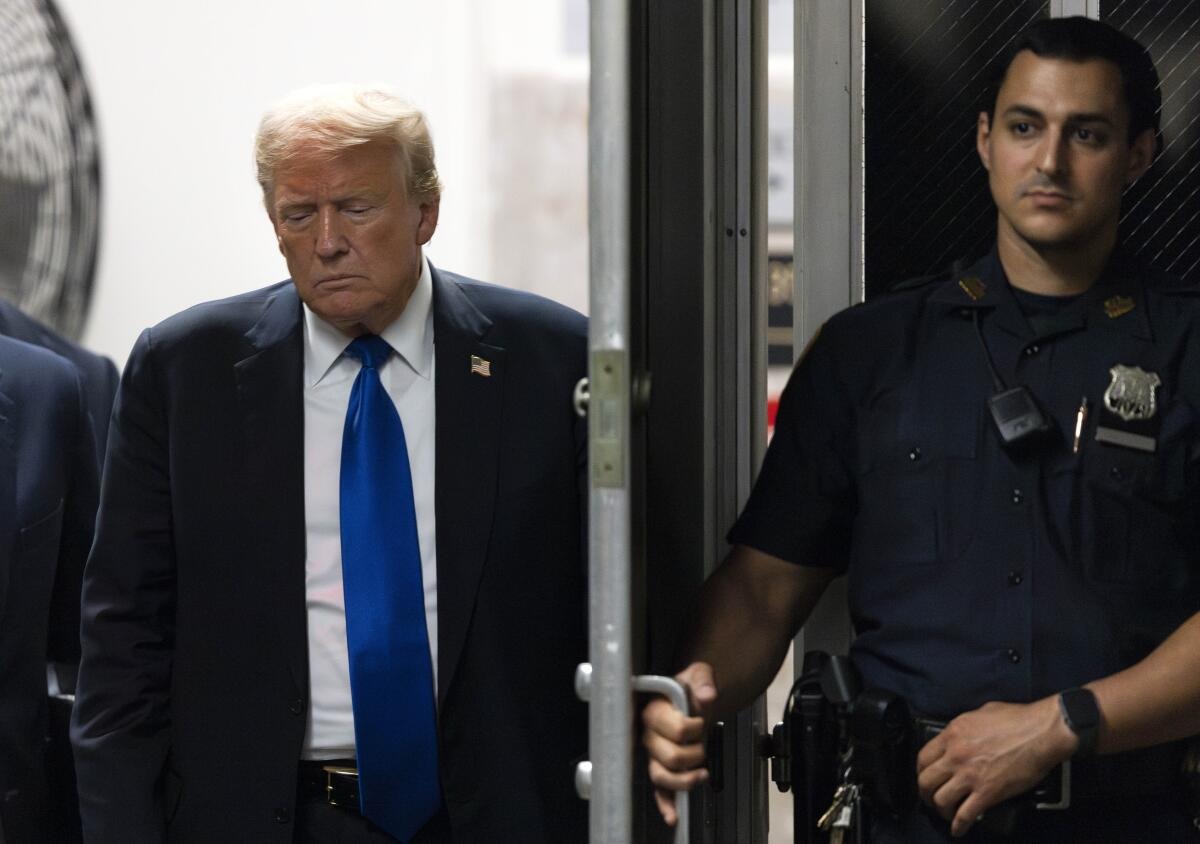
Trump and his allies have strongly criticized the legal actions, arguing that they are politically motivated. Supporters have drawn comparisons to past controversies involving the handling of official records by other political figures, claiming inconsistent standards in enforcement. They maintain that the case represents selective prosecution rather than impartial application of the law.
Despite those claims, the judge’s reported findings suggest the court views the matter as more than a routine civil dispute. The combination of alleged video evidence, sworn testimony, and a prior preservation order places the issue squarely within the realm of judicial authority and compliance. Observers note that courts take potential evidence destruction seriously because it can compromise the integrity of the legal process itself.
As the case develops, its legal and political implications are likely to intensify. Any move toward criminal proceedings would mark a significant escalation and could have broader consequences beyond the immediate fraud judgment. For now, attention remains focused on the court’s next steps and whether the reported findings will translate into formal charges or additional sanctions.
With mounting scrutiny and potential financial and criminal consequences on the table, this unfolding legal battle may represent a pivotal moment in Trump’s ongoing courtroom challenges.