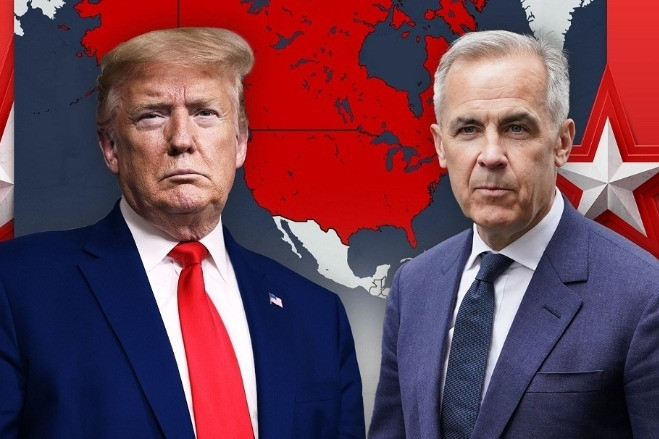
A renewed debate over North American trade and infrastructure has intensified after political allies of Donald Trump signaled opposition to a major Canadian-backed cross-border bridge project valued at approximately $6.4 billion.
The proposed bridge — widely associated with the Gordie Howe International Bridge linking Windsor, Ontario and Detroit, Michigan — is designed to modernize one of the busiest commercial corridors in North America. The crossing supports a significant share of trade between Canada and the United States, particularly in the automotive and manufacturing sectors.
While construction has been well underway under existing bilateral agreements, the project has once again become a political flashpoint amid shifting trade rhetoric.
Why the Bridge Matters
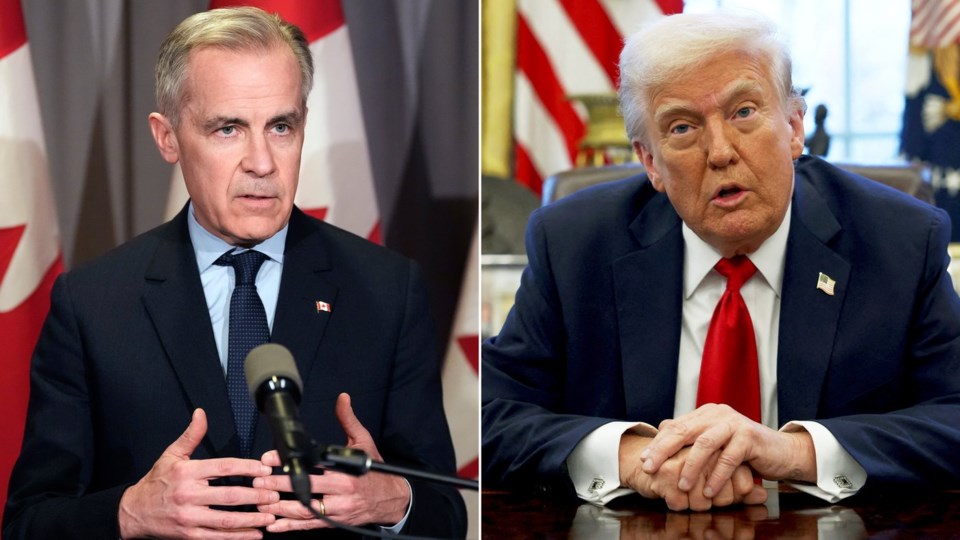
The Detroit–Windsor corridor carries billions of dollars in goods annually and underpins integrated supply chains in:
- Automotive manufacturing
- Agriculture
- Energy equipment
- Advanced manufacturing
Supporters argue the new bridge will:
- Reduce congestion at the aging Ambassador Bridge
- Increase border inspection efficiency
- Strengthen supply chain resilience
- Create jobs on both sides of the border
For Canada, the project has long been framed as a strategic investment in economic security and trade diversification.
Political Pushback in Washington
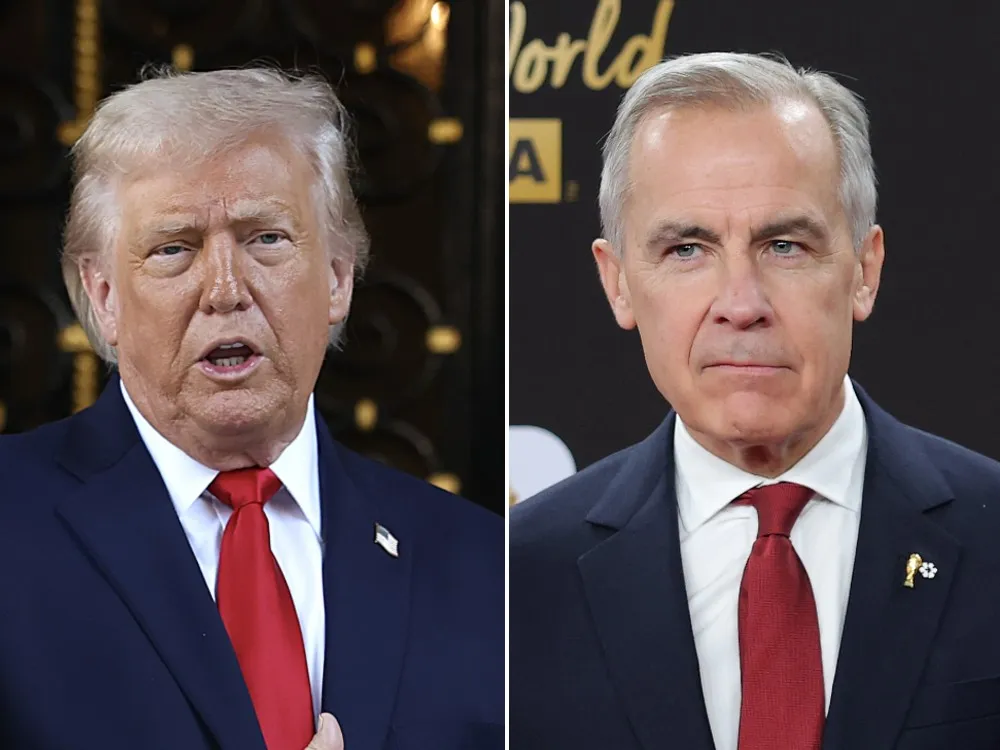
Trump-aligned voices have questioned whether cross-border infrastructure arrangements sufficiently protect U.S. trade interests. Concerns raised in political commentary include:
Trade balance implications
Border security controls
Regulatory alignment
Perceived competitive advantages for Canadian exporters
While no formal federal action has been confirmed to halt construction, the rhetoric reflects broader debates about trade sovereignty and infrastructure leverage in North America.
Importantly, because the bridge operates under bilateral agreements and state-level coordination, unilateral cancellation would face significant legal and economic obstacles.
Carney’s Strategic Response
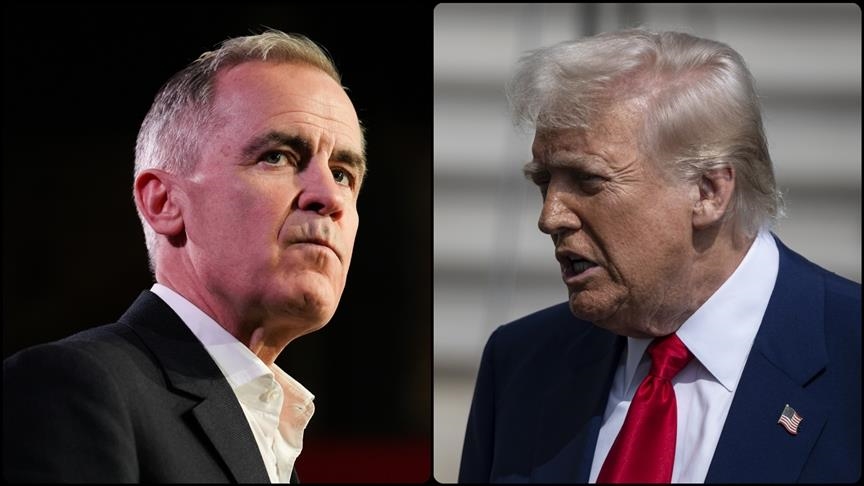
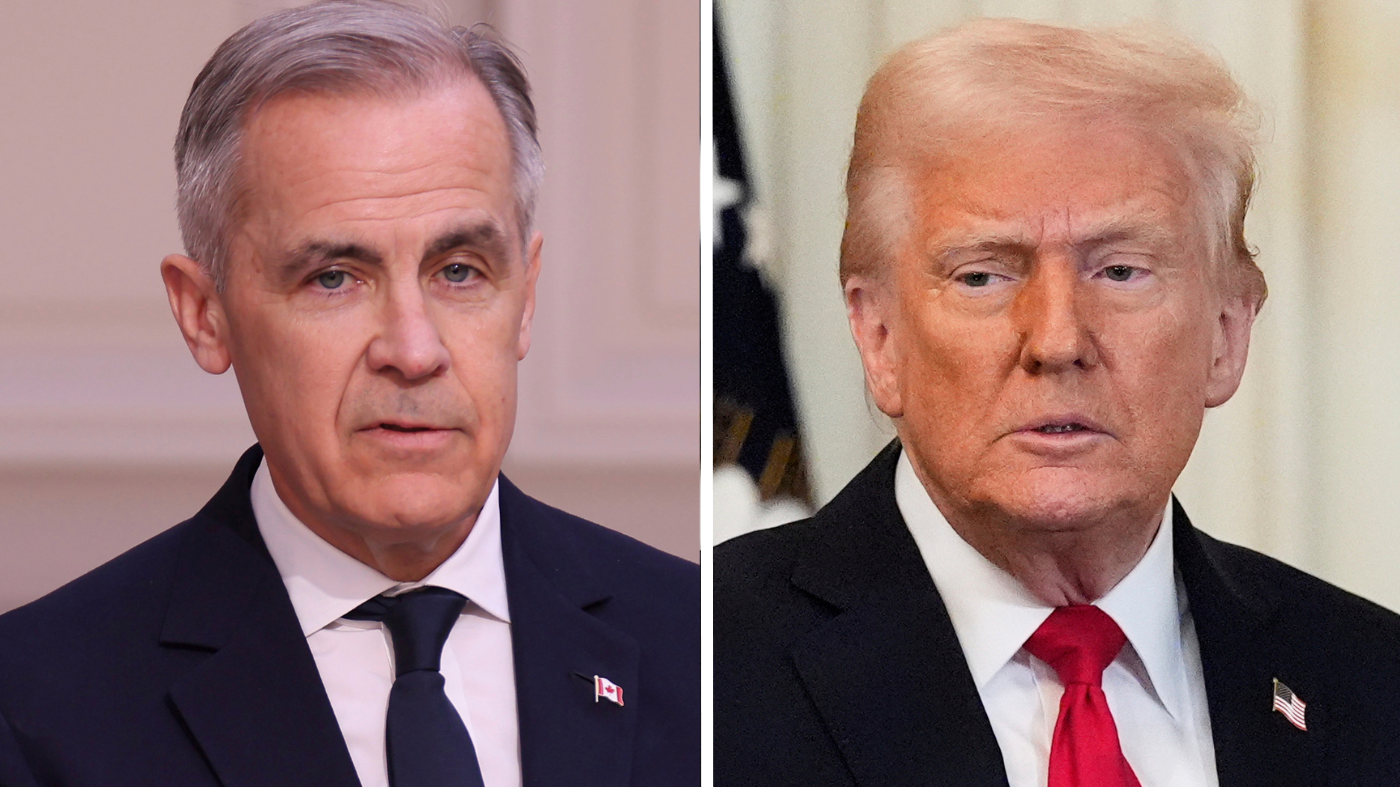
Prime Minister Mark Carney has consistently emphasized Canada’s sovereign authority over infrastructure decisions tied to its national interest.
In recent remarks addressing cross-border economic policy, Carney has underscored:
Long-term investment stability
The importance of open trade corridors
Predictable regulatory environments
Supply chain security
Rather than escalating rhetoric, Ottawa’s tone has been measured — reinforcing economic interdependence while signaling that Canada intends to maintain control over strategic projects.
That balance appears designed to reassure investors while avoiding a direct political confrontation.
Markets Are Watching Closely
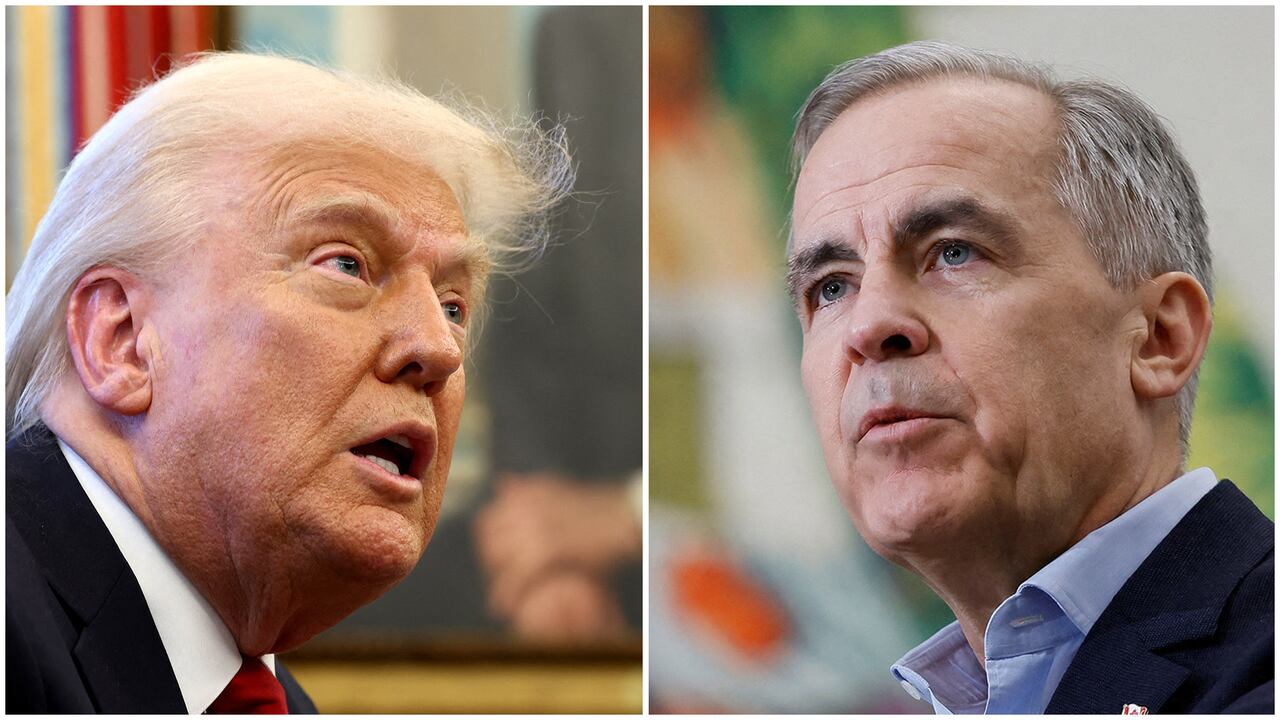
Even political uncertainty — without concrete policy change — can affect market sentiment.
Investors are monitoring potential ripple effects in:
- Automotive exports
- Cross-border logistics
- Energy transport infrastructure
- Manufacturing supply chains
The Detroit–Windsor corridor represents one of the most integrated trade ecosystems globally. Disruption would carry consequences not just for bilateral relations, but for regional industrial competitiveness.
A Symbol of a Larger Shift
This episode reflects a broader transformation in North American politics.
Infrastructure is no longer viewed purely as economic development — it is increasingly tied to:
- National security
- Trade leverage
- Industrial strategy
- Political signaling
The bridge, in that sense, has become symbolic: not just a structure of steel and concrete, but a test of how deeply integrated the U.S.–Canada economic partnership remains in an era of sharper political polarization.
For decades, cross-border cooperation operated with relative predictability. Today, trade policy and infrastructure are moving closer to the center of electoral debate.
Whether the current tension evolves into formal policy action remains uncertain. But one conclusion is clear:
North America’s economic integration — once assumed to be stable and permanent — is now subject to political recalibration.
And both Ottawa and Washington understand the stakes.