Mark Carney was in Mumbai pitching Canada’s future beyond U.S. dependence when the world jolted—U.S. and Israeli jets were already in the air.
By sunrise, Ottawa faced a brutal question: how do you back America’s goal without owning America’s war?
Prime Minister Mark Carney wasn’t in Ottawa when the crisis detonated—he was in Mumbai, in the middle of a high-profile push to deepen trade with India and reduce Canada’s exposure to U.S. economic pressure.
Then the breaking news hit like a siren: the United States and Israel launched a coordinated strike campaign on Iran, an operation the Pentagon has called “Operation Epic Fury.” The stated targets were Iran’s nuclear program and military infrastructure, and the conflict rapidly escalated into a wider regional exchange of strikes and retaliation.
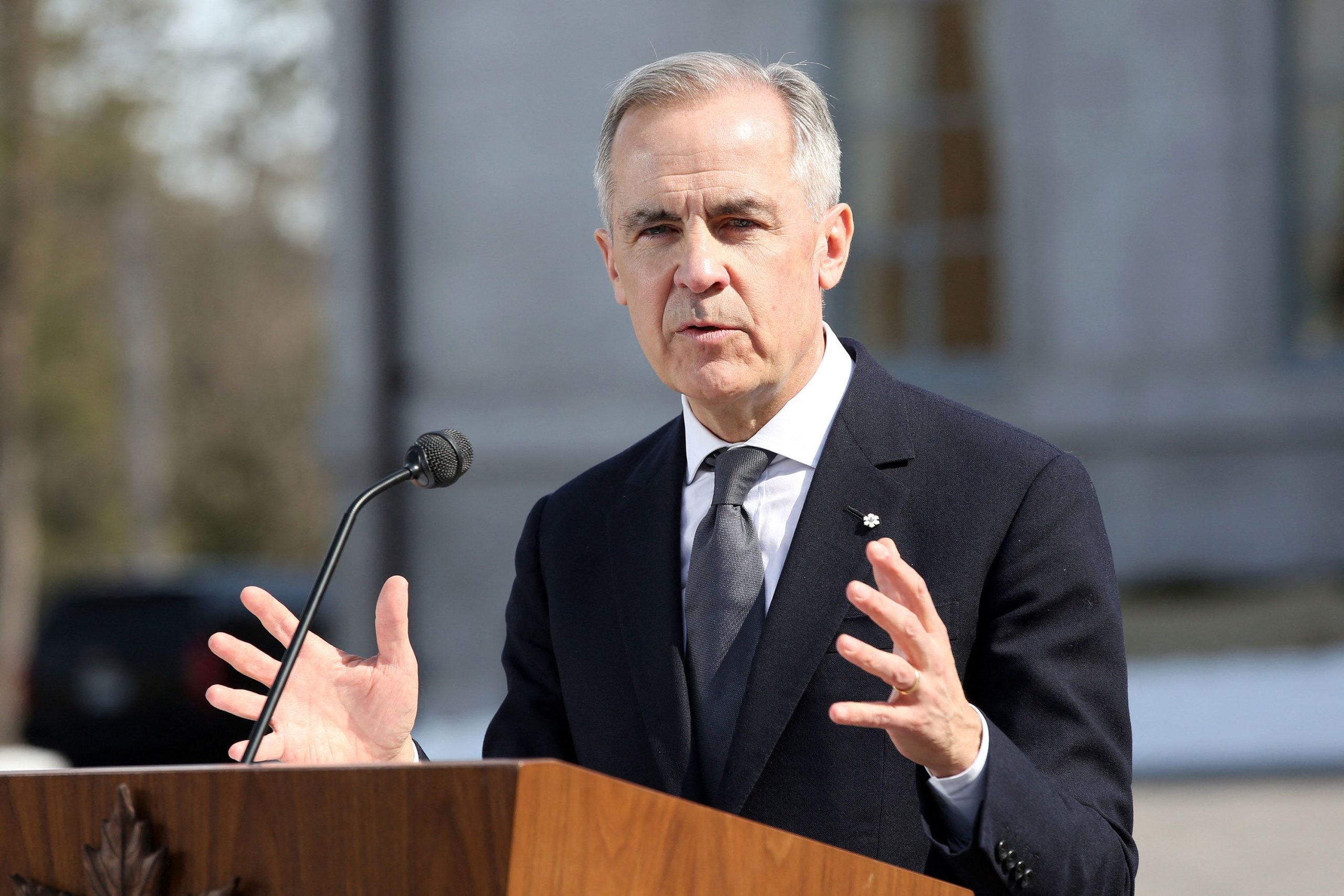
Within hours, Carney issued a statement from India that walked a razor-thin line: Canada supports the objective of preventing Iran from obtaining a nuclear weapon—yet Canada would not participate militarily and was not involved in planning. That phrasing wasn’t accidental. It was strategy under pressure, written in real time.
Because Carney’s nightmare scenario is simple: Canada must remain a core U.S. ally while also proving it can act like an independent power with its own red lines. His government is trying to build economic “escape routes” through deeper ties with India and other partners—exactly the kind of diversification he was pursuing in Mumbai when the strikes began.
But the strikes forced a snap decision. If Carney condemned the operation, he risks rupturing trust with Canada’s most important security partner. If he endorsed it without hesitation, he risks domestic backlash and being pulled into an open-ended conflict he didn’t choose.
And Canada’s political class reacted instantly—pulling the country in opposite directions.
On one flank, Conservative voices framed the strikes as necessary strength. On the other, critics warned of escalation, legality, and civilian risk. Meanwhile, Carney’s stance—supporting the goal while distancing from the method—aimed to keep Canada in the alliance without letting Canada get swallowed by the operation.
Internationally, the pattern is revealing. Several close U.S. partners signaled support for stopping Iranian nuclear weapons while calibrating their involvement—some emphasizing defensive measures rather than participation in initial strikes. Others called for de-escalation.
Then comes the part that keeps strategists awake: process and precedent.
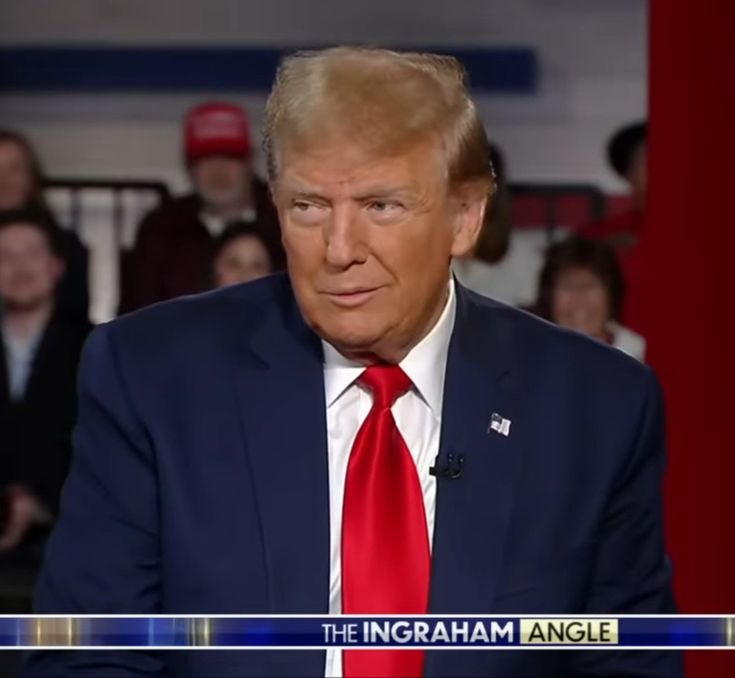
Multiple reports say the Trump administration did not seek congressional authorization before launching the strikes, notifying top lawmakers shortly before the operation. That has reignited a fierce U.S. debate over war powers—one that tends to flare during major military actions and can reshape domestic politics quickly.
For Canada, this matters even if Canadian forces never fire a shot.
First, because a widening conflict can hammer global energy markets—especially if tensions threaten major shipping routes. Second, because Canadian diplomacy gets squeezed: Ottawa may be expected to “align” publicly even when it has little influence privately. Third, because unpredictability in Washington becomes a strategic variable Canada must plan around, not just complain about.