Canada stands at a monumental crossroads with its looming decision to purchase 88 fighter jets, a choice poised to redefine national sovereignty, industrial future, and geopolitical alliances for decades. Opting for Sweden’s Saab Gripen over the expected F-35 is not just procurement—it’s a bold, strategic pivot with global ramifications.

This decision transcends mere military hardware. Canada faces two diverging paths: the familiar F-35, symbolizing alignment with Washington and decades-old defense partnerships, or the Gripen EF, promising full technology transfer, domestic production, and unparalleled strategic independence. Each choice embodies contrasting visions of Canada’s role on the global stage.
The F-35 offers stealth, interoperability, and integration within the vast American defense ecosystem, presenting a seemingly secure option. Yet its high operating costs and dependence on foreign technology constrict Canada’s control over its own defense capabilities, tying its fate to political currents in Washington.
In stark contrast, the Gripen comes embedded with a compelling economic promise: Saab plans to establish a complete assembly line in Canada, crafting the nation’s only next-generation fighter production hub in the Western Hemisphere. This could generate up to 25,000 high-quality aerospace jobs, invigorating Canadian industry and countless supply chains.
The multiplier effect here is staggering. Domestic production funnels billions back into Canada’s economy, strengthening tech firms like Bombardier and CAE. Crucially, full access to software source code empowers Canada to independently upgrade, customize, and export its fighter jets without external restrictions or political vetoes.
Operationally, the Gripen’s design is tailor-made for Canada’s Arctic expanse. Engineered for extreme climates, the aircraft can launch from short, rugged runways or even frozen lakes, aligning perfectly with NATO’s dispersed operations doctrine. This adaptability could redefine Canada’s northern air defense strategy.
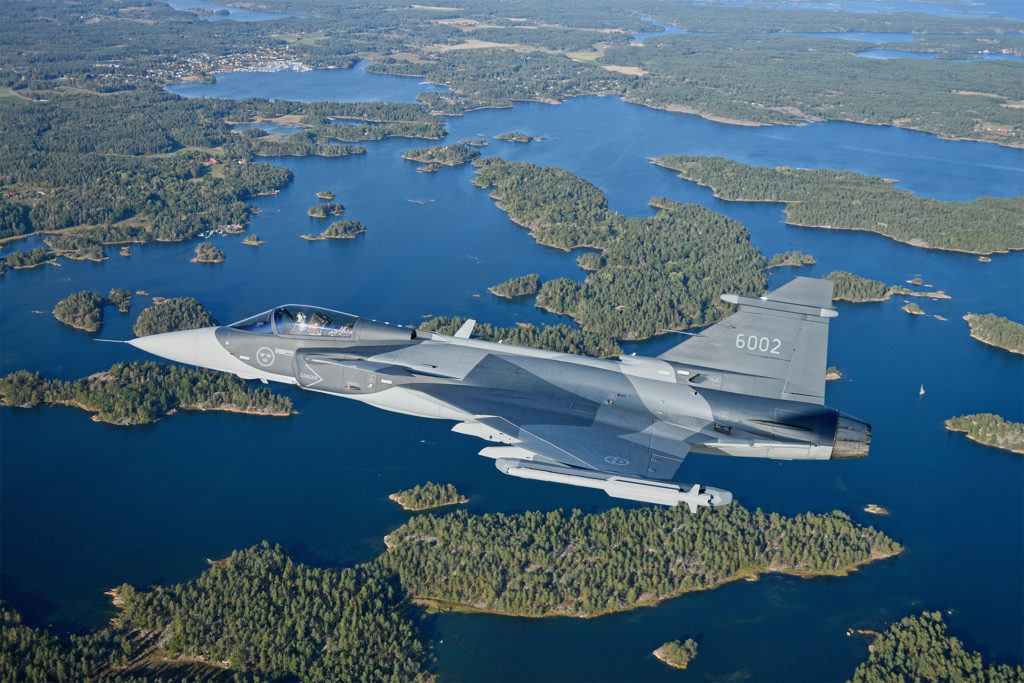
Cost efficiency adds to its appeal: the Gripen’s $8,000 per flight hour dramatically undercuts the F-35’s exorbitant $35,000 to $47,000 range. This budget-friendly model enables substantially more pilot training and readiness, critical for rapid, continuous Arctic air patrols in high-stakes conditions.
Maintenance agility further amplifies Gripen’s edge. Quick turnarounds requiring only six technicians contrast with the F-35’s larger, more complex support teams, streamlining urgent mission capabilities. Such flexibility may prove pivotal in safeguarding Canada’s vast, vulnerable northern territories.
However, political fallout looms. Washington’s reaction to Canada rejecting the flagship F-35 program could spark diplomatic tensions, signaling a shift in defense alignments and challenging decades of standardized NATO collaboration centered around American technology.
Yet, the Gripen is NATO-compatible, featuring Link 16 communication for seamless data sharing and joint operations. Its integration could diversify NATO’s logistics, breaking the F-35 monopoly and inspiring other nations like Poland and the Baltic states to reconsider their procurement strategies, fostering a more resilient alliance.
Beyond hardware, this choice redefines allied relations. Canada asserts itself as a sovereign power capable of guarding national interests while maintaining alliance loyalty—an unprecedented balancing act reshaping the collective security narrative in a multipolar world.
Saab’s comprehensive training in electronic warfare stands to revolutionize Canada’s defense capabilities. Mastery over electromagnetic combat will enhance the Royal Canadian Air Force’s strategic edge well beyond mere platforms, embedding advanced warfare knowledge vital for future conflicts in a tech-centric era.

Looking to 2040 and beyond, the decision signals the birth of a Canadian aerospace powerhouse. The establishment of a manufacturing and maintenance ecosystem could attract global investments, retain domestic talent, foster cutting-edge research collaborations, and secure intellectual property rights critical for long-term innovation.
Access to source code not only permits custom upgrades but also enables Canadian universities and industry to pioneer cybersecurity and artificial intelligence in combat systems, positioning Canada at the forefront of next-generation defense technology with homegrown expertise.
Strategic independence remains the paramount prize. With Gripen, Canada gains unprecedented freedom to shape defense policy unencumbered by foreign political pressures or supply chain vulnerabilities, reinforcing national security in an unstable global landscape fraught with geopolitical uncertainties.
This bold move carries inherent risk. Diplomatic strains with the United States and potential renegotiation hurdles lie ahead. Yet, visionary leadership demands courage to pursue autonomy over comfortable dependence,
aiming to secure a resilient, self-determined future in defense and beyond.
History reveals that pivotal national transformations stem from daring choices. Sweden’s non-aligned Cold War stance and South Korea’s investment in indigenous technology offer compelling precedents. Canada now faces its own test: embrace transformative innovation or remain tethered to entrenched defense paradigms.
Choosing the Gripen is more than acquiring fighter jets—it is a declaration of Canada’s future identity: innovative, autonomous, and globally influential. This decision will ripple through generations, shifting international perceptions of sovereignty amidst globalization’s complex interdependencies.
The world is watching closely as Ottawa prepares to defy expectations, challenging the notion that security requires subordination. Canada’s choice may ignite new thinking on defense independence worldwide, signaling a paradigm shift in how democracies balance alliance with autonomy.
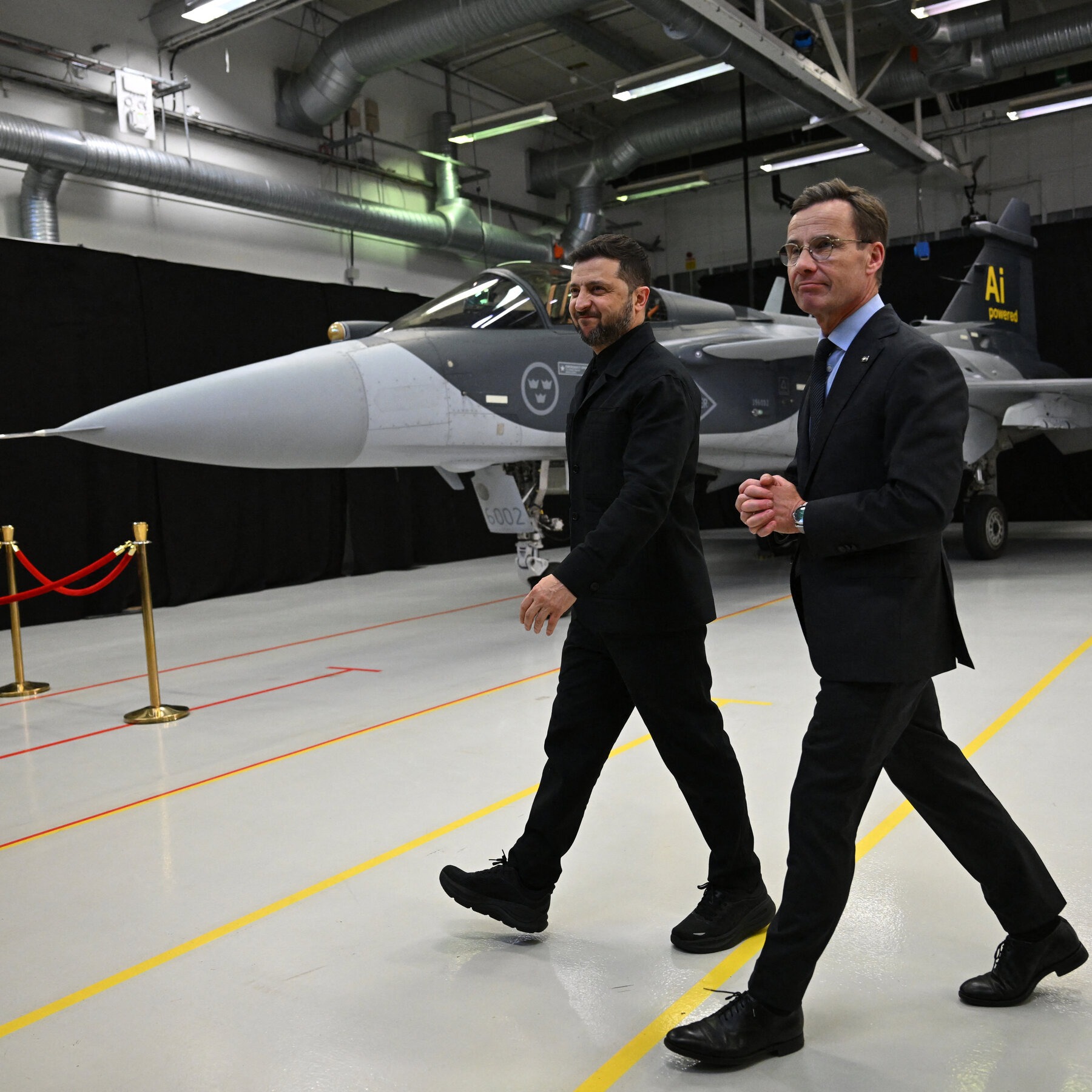
With stakes this high, Canadians face a defining question: will they champion a vision of empowered sovereignty or settle for the predictable shield of established alliances? Whatever the outcome, this decision marks a historic inflection point, set to shape Canada’s destiny—and the global order—for decades ahead.