In a stunning geopolitical maneuver, Canada has unveiled a $300 billion trade plan aimed at strengthening ties with Asia, signaling a significant shift in its international strategy. Prime Minister Mark Carney’s recent appearance at the ASEAN summit in Kuala Lumpur marks a pivotal moment for Canada, as it seeks to redefine its economic future amid growing tensions with the United States.
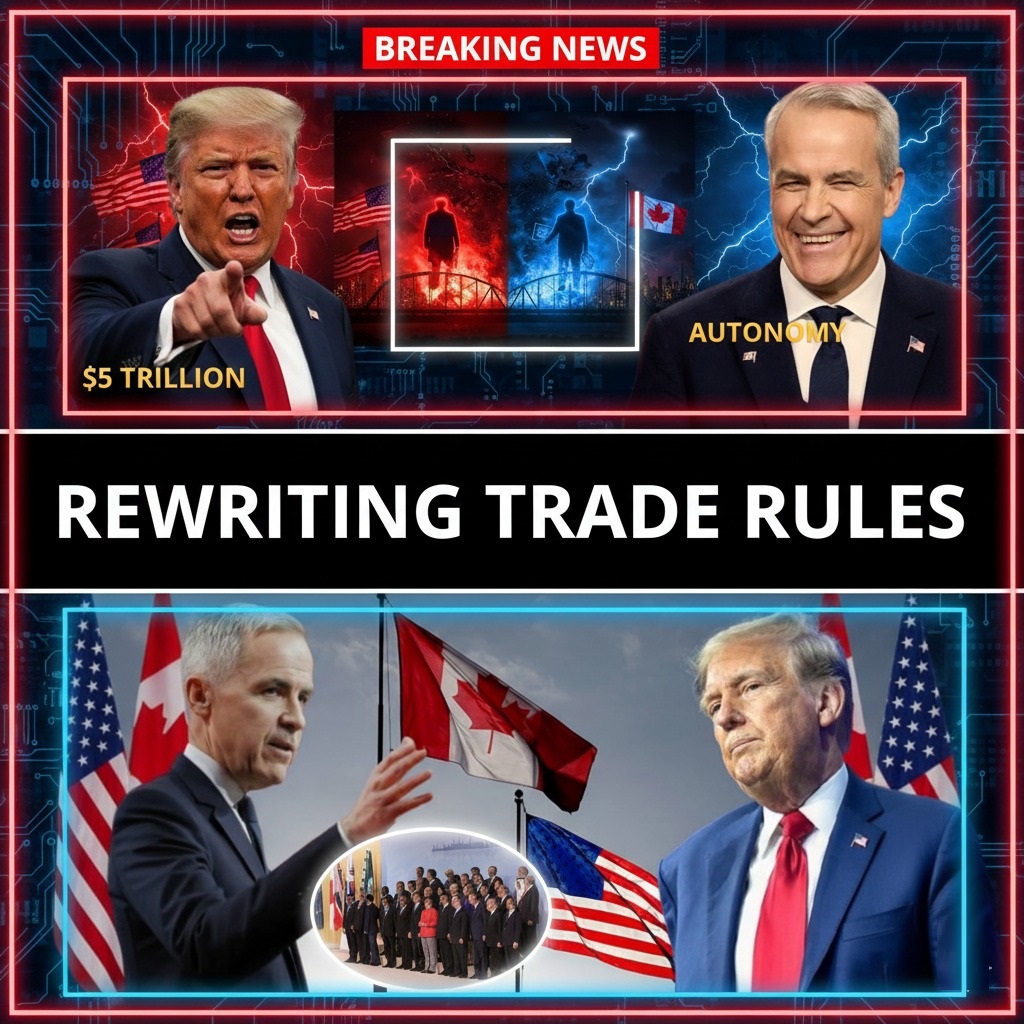
As the United States continues to impose tariffs and tighten trade regulations, Canada is boldly expanding its horizons, positioning itself as a reliable partner in the rapidly growing Asian market. The summit’s warm reception of Carney underscores a crucial transition; Canada is no longer merely a bystander in global trade, but an active player ready to engage with the world’s fastest-growing economies.
Carney’s ambitious goal to increase non-U.S. exports by 50% over the next decade reflects a strategic pivot away from reliance on American markets, which currently account for approximately 75% of Canadian exports. The Prime Minister’s vision is clear: Canada intends to connect its advanced industries with Asia’s burgeoning demand for energy, technology, and minerals.
At the heart of this trade initiative is Canada’s vast energy resources and commitment to clean technology. Canada is poised to become a leading exporter of liquefied natural gas (LNG), with projections of exporting 50 million tons annually by 2030. Additionally, the country is investing heavily in critical minerals, essential for modern technology, through strategic alliances with Asian partners.
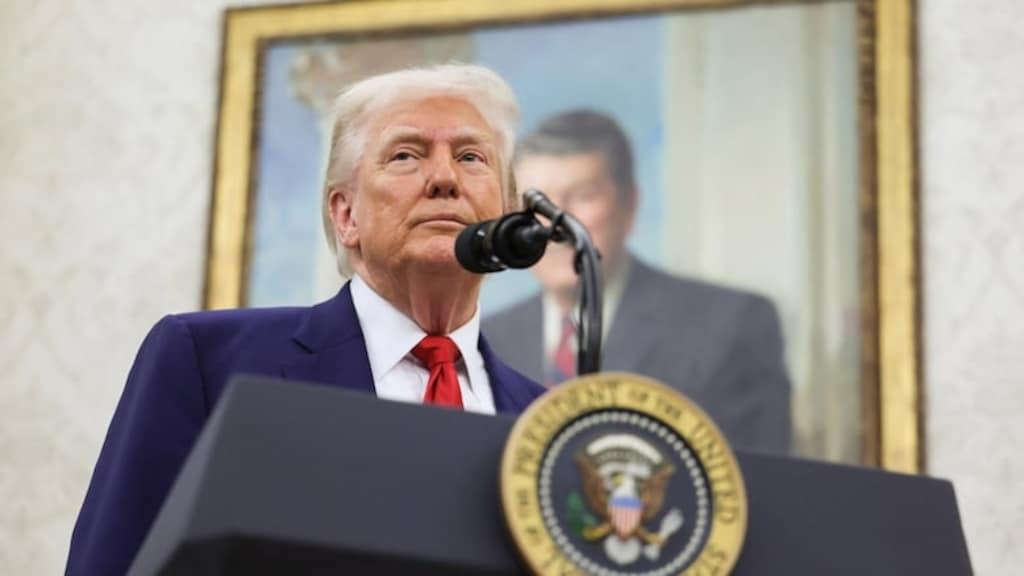
The backdrop of Carney’s visit was marked by escalating tensions in Washington, where President Trump threatened further tariffs on Canadian imports. Instead of succumbing to pressure, Canada is leveraging these challenges to accelerate its pivot towards Asia, as trade analysts note a significant diversion of investment and supply chains away from the U.S.
Canada’s proactive approach is reflected in its recent trade agreements with the European Union, Japan, South Korea, and ASEAN, which are set to significantly boost trade figures in the coming years. The International Monetary Fund projects that the Indo-Pacific region, with its combined GDP exceeding $4 trillion, will continue to grow at a rate of 4.5% by 2025, making it an attractive destination for Canadian exports.
Moreover, Carney’s government is prioritizing investments in defense and technology, with plans to quadruple spending in these sectors over the next five years. This comprehensive industrial strategy aims to bolster Canada’s energy security, clean technology, and digital capabilities, positioning the nation as a formidable player on the global stage.
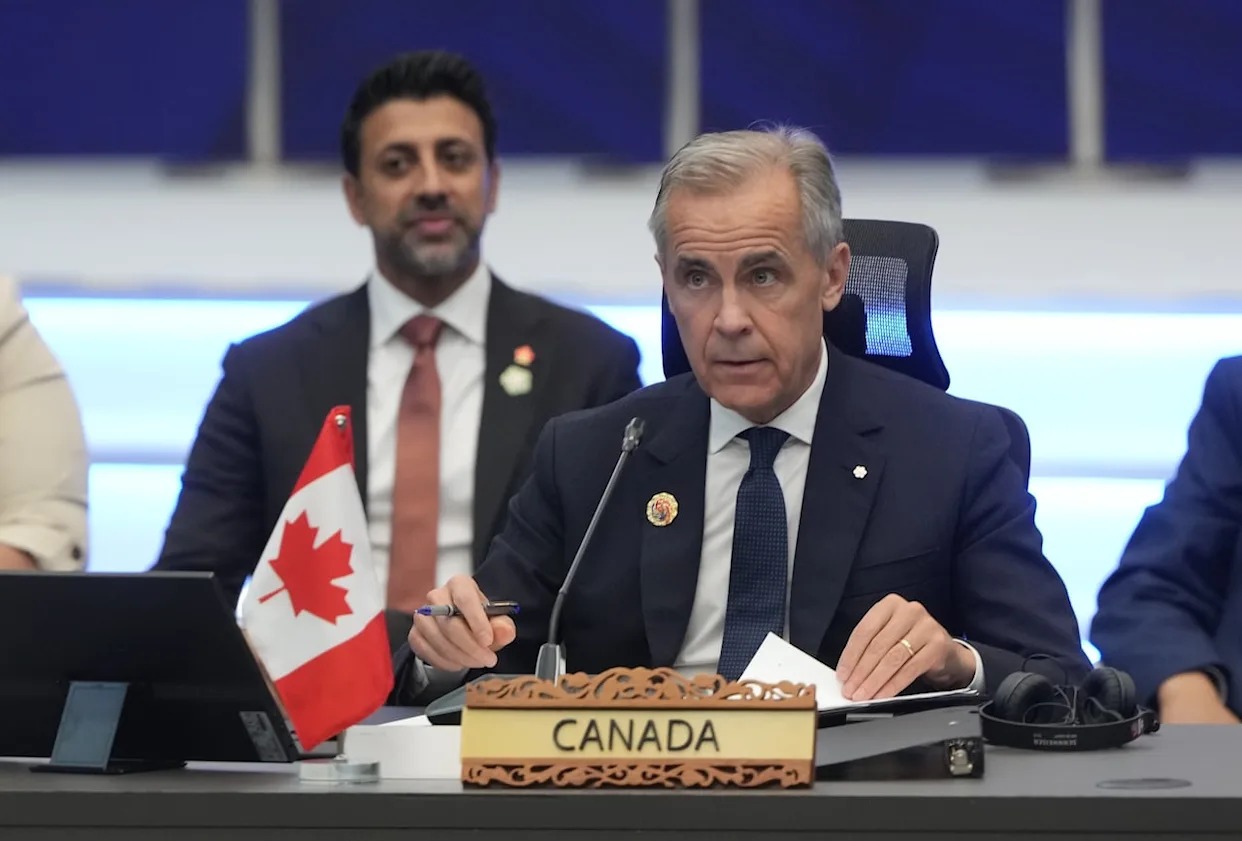
The implications of this shift are profound. As Canada emerges as an independent trade power, its diplomatic efforts are resonating across Asia and beyond. Leaders in the region view Canada as a modern, predictable partner, contrasting sharply with the transactional approach that has characterized U.S. foreign policy in recent years.
In Europe, the media has hailed Carney’s diplomatic breakthrough, recognizing Canada’s potential to attract over $500 billion in combined public and private investment over the next decade. This ambitious target aligns with Ottawa’s internal projections and reflects a broader trend towards diversification and regional cooperation in the face of global uncertainties.
As Canada’s trade strategy unfolds, the question is no longer whether this pivot will succeed, but how far it can go. With the U.S. retreating behind its own barriers, Canada is stepping into a leadership role that could redefine its position in the global economy. The ASEAN summit was not just a diplomatic event; it was a declaration of intent, signaling that Canada is ready to lead through partnership and collaboration.
In a world where uncertainty reigns, Canada is charting a new course, one that embraces opportunity and independence. As the global race for influence intensifies, this may well be the year when Canada stops following and starts leading, transforming adversity into opportunity on the world stage.