Trump Faces Impeachment Fears as Polls Collapse and DOJ Controversies Ignite a Turbulent Sunday
A turbulent Sunday morning unfolded in Washington as warnings of potential impeachment reverberated through conservative circles, amplifying pressure on Donald Trump amid a cascade of damaging headlines. Public remarks from senior allies, paired with bleak polling data and renewed scrutiny of the Justice Department, combined to create one of the most volatile political news cycles of recent months.
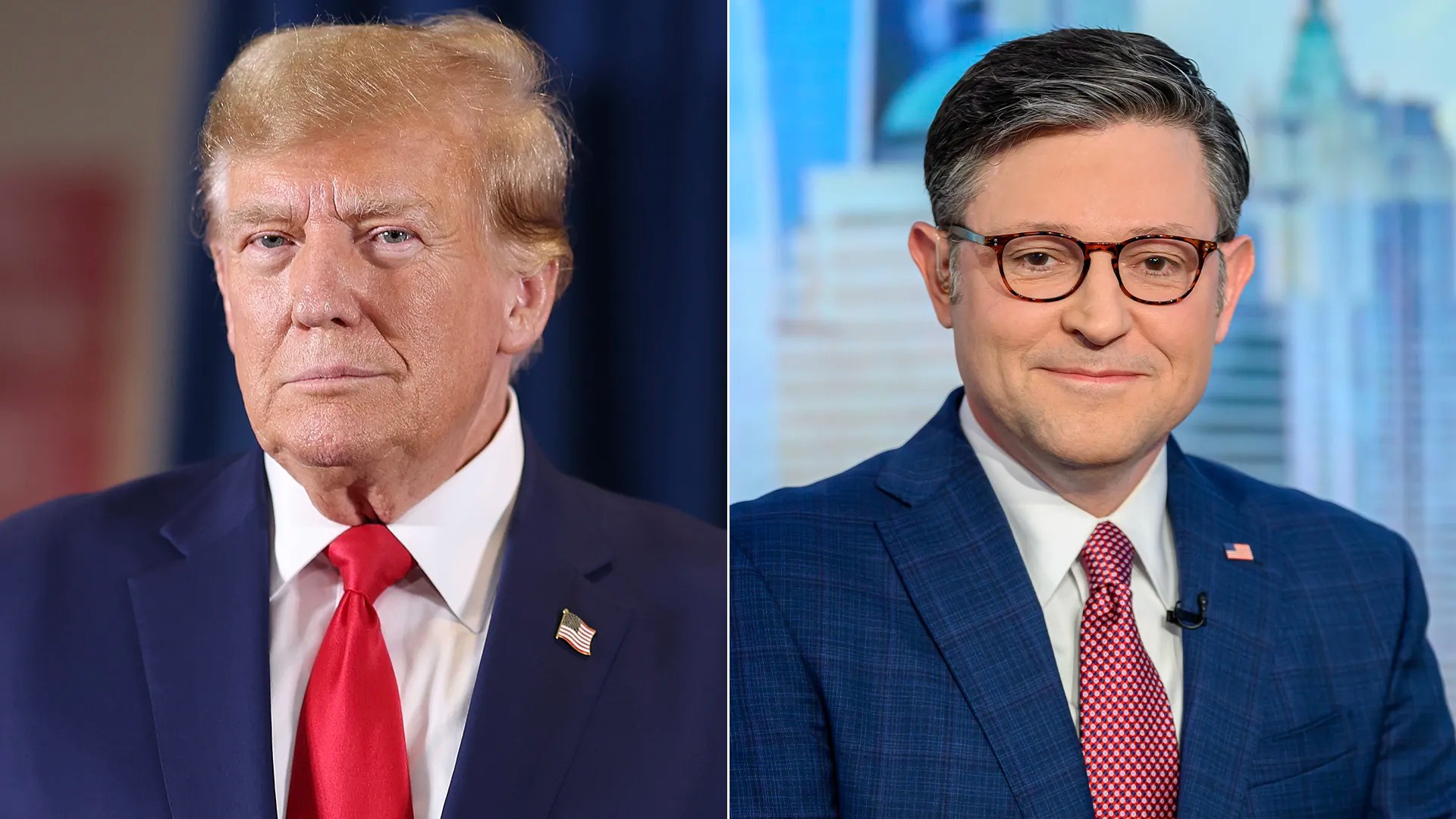
The immediate flashpoint came when Mike Johnson warned at a Turning Point USA event that a Democratic takeover of the House could lead to impeachment proceedings against Trump. Framed as a rallying cry for Republican voters, the statement instead underscored growing anxiety within MAGA-aligned leadership about eroding political control and escalating legal exposure.
That unease was reinforced by new national polling showing Trump’s approval mired in negative territory. According to survey data discussed in the broadcast, Trump’s overall approval hovered in the low 40s, with disapproval approaching 60 percent. Particularly alarming for strategists was a sharp decline among Hispanic voters, where approval reportedly plunged by roughly forty points over the course of the year.
Economic sentiment has further complicated the picture. In the same polling, a strong majority of Americans rated the economy poorly, with only a small fraction giving it high marks. While Trump allies continue to describe economic performance as “excellent,” analysts note a widening disconnect between official messaging and public perception, especially as inflation and tariffs dominate kitchen-table concerns.
Legal controversy added fuel to the fire. Lawmakers and commentators criticized the Department of Justice for missing statutory deadlines related to the release of Epstein-related records, alleging excessive redactions and incomplete compliance. While officials insist the process is guided by victim-protection requirements, critics argue the delays have intensified suspicion rather than restoring trust.
Questions deepened following televised interviews with Deputy Attorney General Todd Blanche, a former Trump defense attorney, who addressed why certain documents were temporarily removed from DOJ websites and why convicted Epstein associate Ghislaine Maxwell was transferred between facilities. His explanations, while procedural, failed to quiet bipartisan skepticism.
Foreign policy developments and trade disputes compounded the chaos. Reports of U.S. actions involving oil shipments linked to Venezuela and China, alongside uncertainty over tariff refunds if courts rule against the administration, fed criticism that economic policy has been erratic. Economists emphasized that tariffs are typically paid by American companies, a point that clashes with repeated claims to the contrary.
By the end of the day, the convergence of impeachment warnings, collapsing approval ratings, economic dissatisfaction, and DOJ disputes painted a picture of a presidency under siege. Whether these pressures translate into formal action remains uncertain, but the episode highlighted a stark reality: Trump’s political armor appears thinner than ever, and the battles ahead may be fought as much over public trust and transparency as over ballots and legislation.