In a breathtaking diplomatic counterpunch, Canada has just delivered a masterclass in Arctic leadership—quietly but forcefully shutting down U.S. overreach in Greenland while cementing its own rising influence.
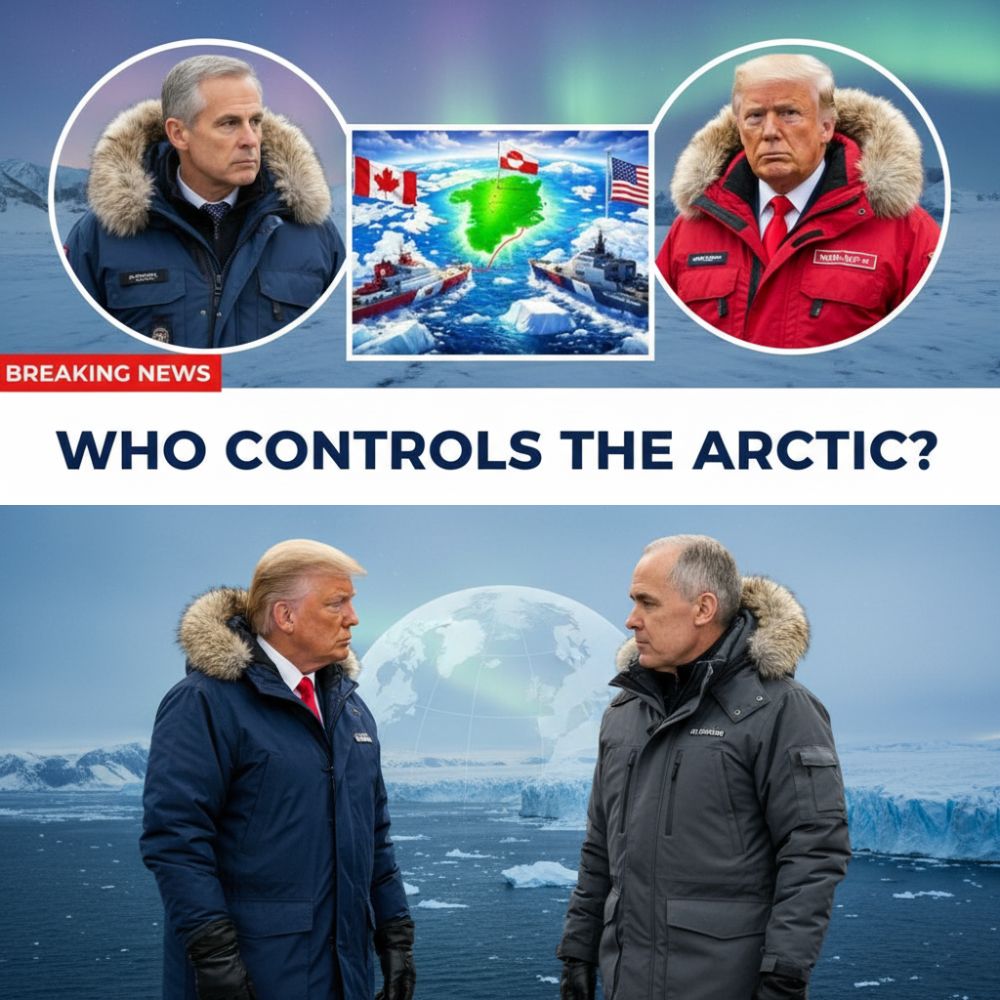
When Louisiana Governor Jeff Landry, freshly appointed Trump’s unofficial envoy, publicly floated making Greenland “part of the United States,” the backlash was swift and global.
Denmark summoned the U.S. ambassador, Greenlandic leaders voiced outrage, and even casual observers noted a stunning twist: many in Nuuk suddenly felt more threatened by America than by Russia or China.
Into that vacuum stepped Canada—with Foreign Affairs Minister Anita Anand announcing a permanent consulate in Nuuk, Greenland’s capital, set to open early next year.
This isn’t symbolic ribbon-cutting. It’s a deliberate, high-stakes signal: Arctic sovereignty is non-negotiable, and Canada is ready to defend it with boots on the ground.
Anand’s announcement came after direct talks with her Danish counterpart, reaffirming unwavering support for Denmark’s realm and Greenland’s right to self-determination.
The move anchors Canadian presence where it matters most—among indigenous communities, research stations, and emerging shipping routes—while reinforcing NATO’s northern flank amid rising threats.
In one stroke, Canada positioned itself as the reliable, rules-based power in a region where trust is the ultimate currency.
The contrast with Washington couldn’t be sharper. Trump’s revived Greenland fixation—echoing his 2019 “buy it” proposal—has once again ignited alarm among allies.
Landry’s initial remarks about “representing liberty, economic strength, and protection” quickly spiraled into sovereignty panic, forcing him to backpedal with “we’re not trying to conquer anybody.” But the damage was done: perception alone destabilized the region, pushed partners away, and invited rivals to exploit the uncertainty.
Canada, under Prime Minister Mark Carney, refused to let theatrics win. Instead of outrage or empty statements, Ottawa delivered concrete action—expanding diplomatic infrastructure, deepening defense ties with Scandinavian partners, and investing in northern capabilities.
This Nuuk consulate is part of a broader Carney-era Arctic awakening. Canada is no longer treating the North as a side file; it’s elevating it to core foreign-policy identity.
Increased funding for the Canadian Rangers, expanded climate research, and stronger circumpolar diplomacy now frame Ottawa as the steady hand guiding regional cooperation.
When larger powers stumble into unilateral ambition, Canada steps in with consistency and respect—championing indigenous rights, rules-based order, and collaborative security.
The fallout exposes a deeper truth: Trump’s “America First” rhetoric is eroding U.S. credibility in the very places it claims strategic interest. Greenlanders, long wary of external pressure, now hear a clear Canadian message of partnership over possession.
Denmark’s uncompromising stance—”Greenland is part of the Danish realm unless Greenlanders choose otherwise”—gains weight with Ottawa’s vocal alignment. Together, they draw a bright line: the Arctic is not a geopolitical prize; it’s home to real people and real futures.
Canada’s move also strengthens its global standing.
As Washington projects confusion, Ottawa projects seriousness—building trust that attracts investment, alliances, and influence. In a decade where melting ice unlocks minerals, routes, and military stakes, leadership belongs to the nation that earns it through presence and principle. Canada is claiming that role.
The question now burns across capitals: Will the U.S. adjust its approach before its Arctic missteps become permanent losses? Or will Canada’s decisive voice continue defining the conversation? In this frozen frontier, the power balance is shifting—and Ottawa just drew the new map.